Gain Strength and Muscle with Proven Programs, Exercises, and Diet

Discover Bodybuilding programs, detailed workouts, exercises, and easy nutrition guidance to increase strength, support fat loss, and build muscle at your own pace.

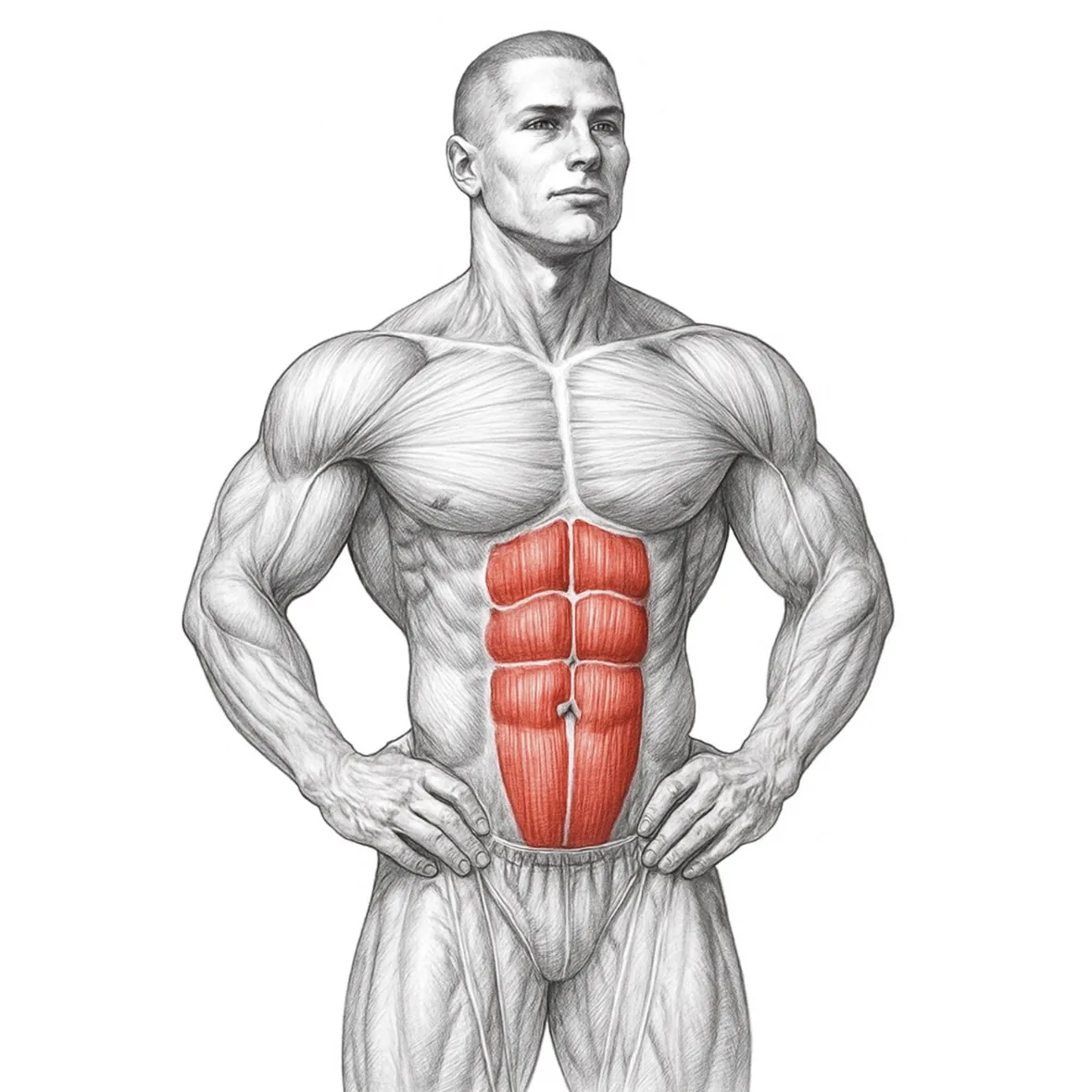
Bodybuilding workout training illustration — programs, exercises, and nutrition

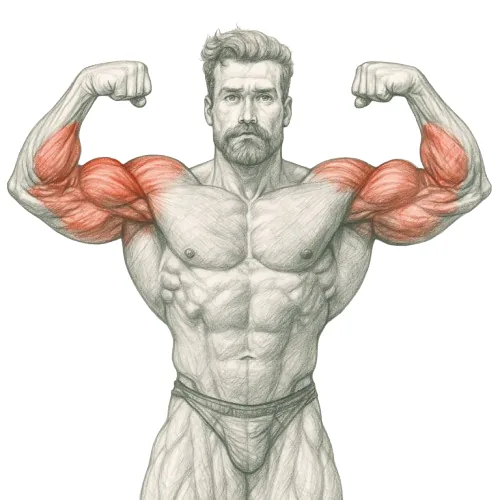
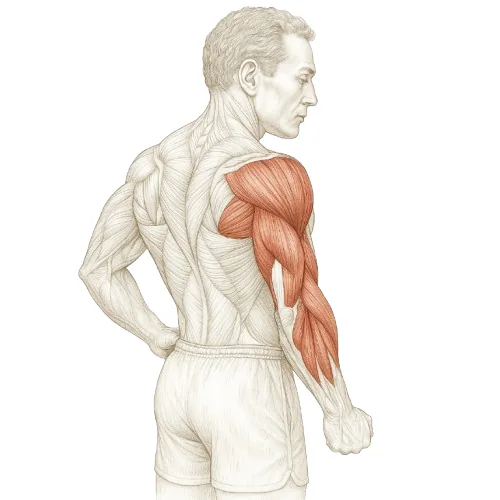
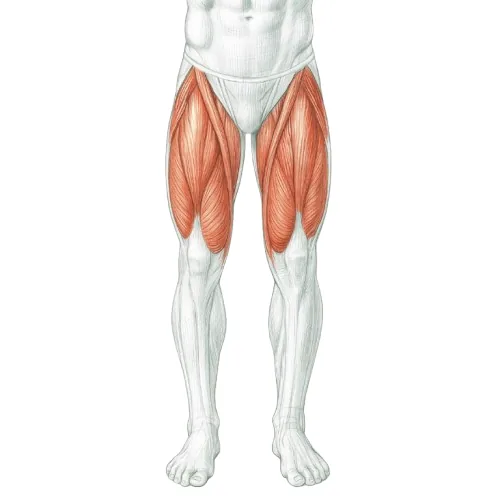
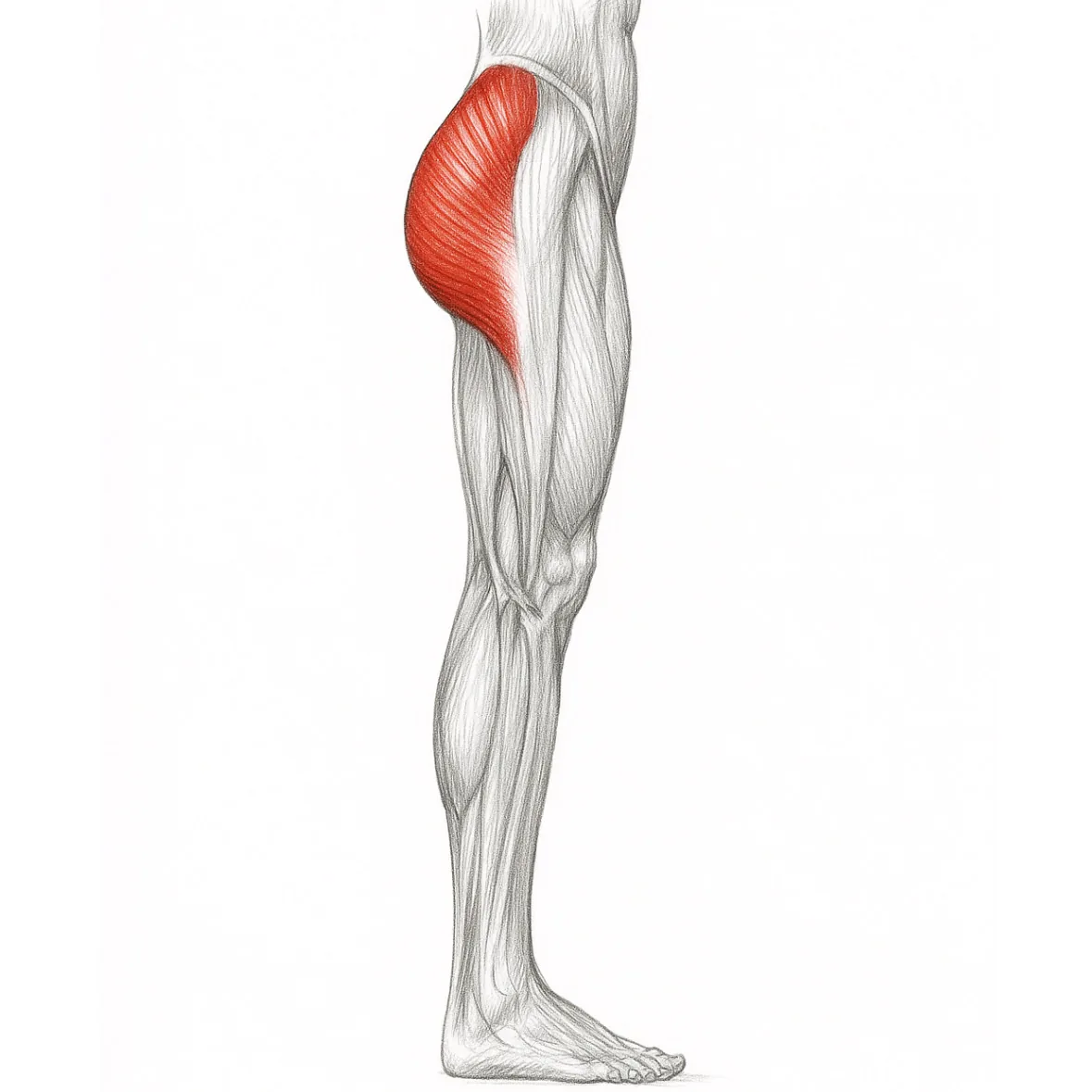
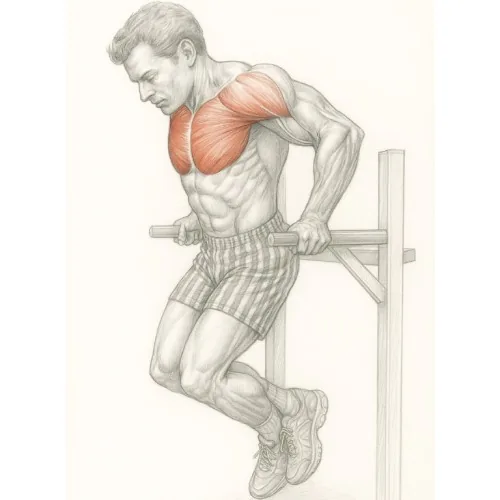
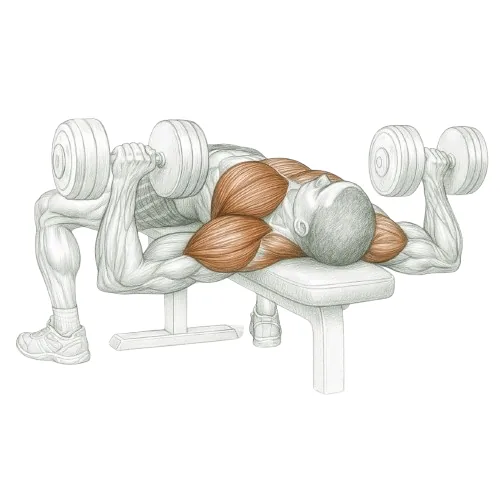
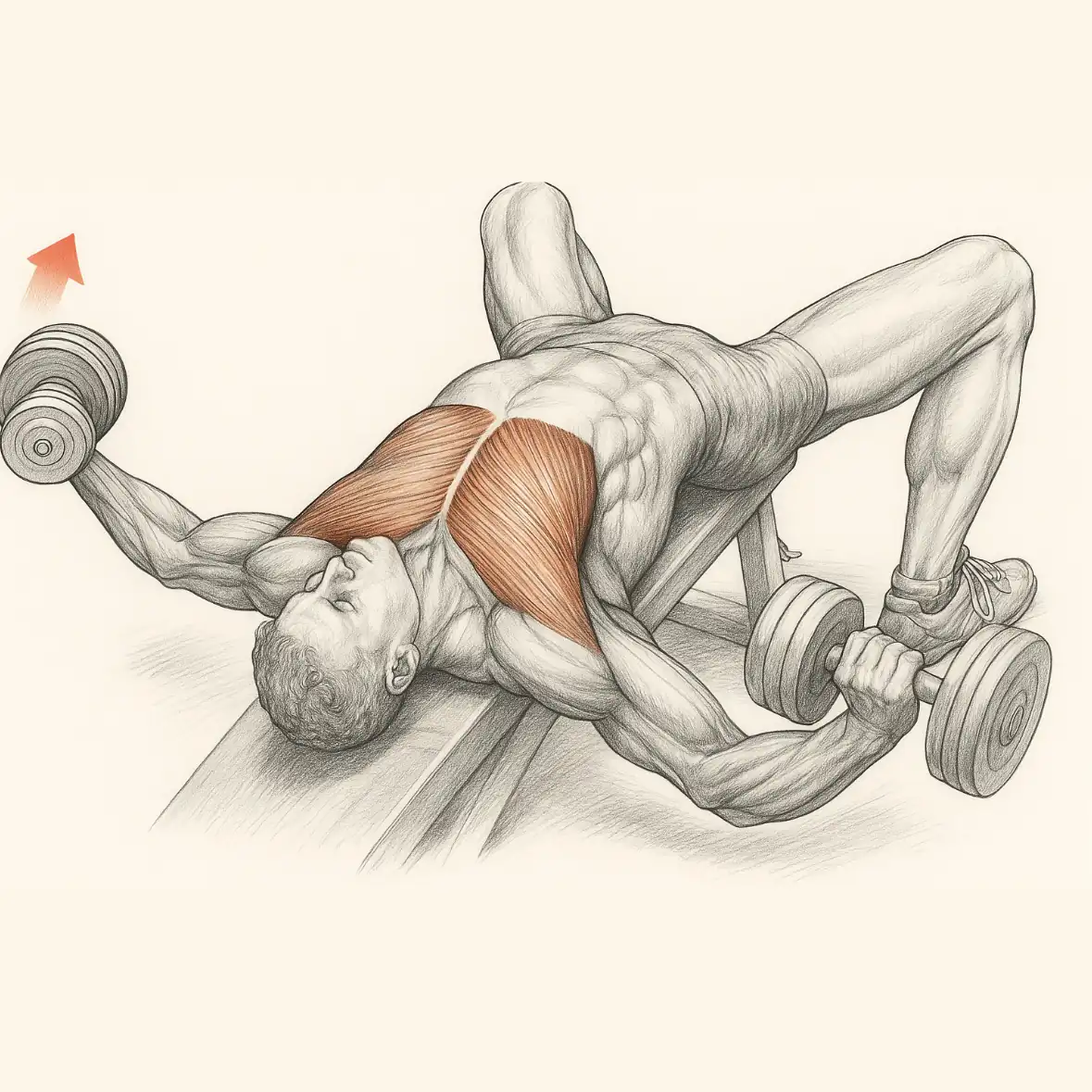
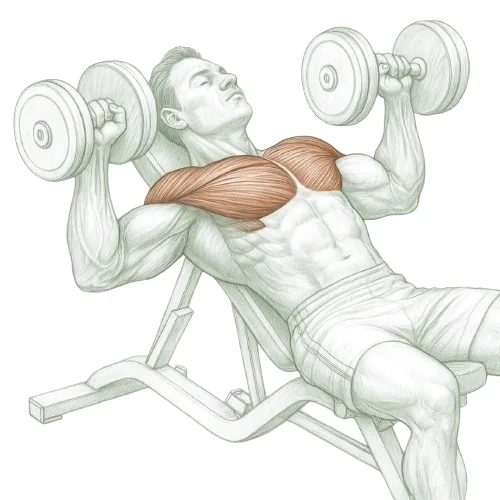
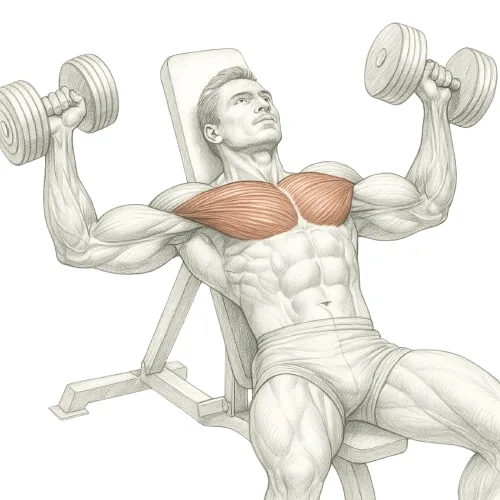
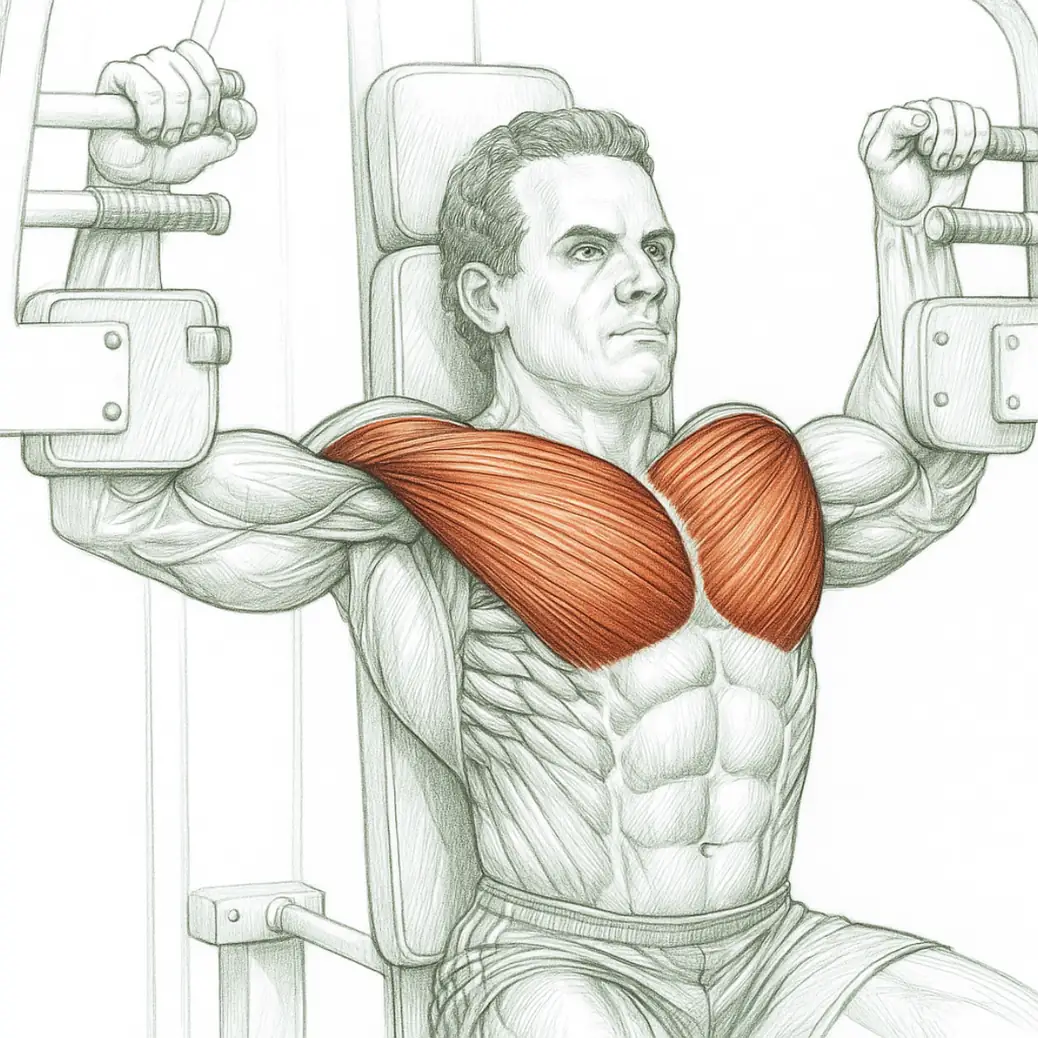
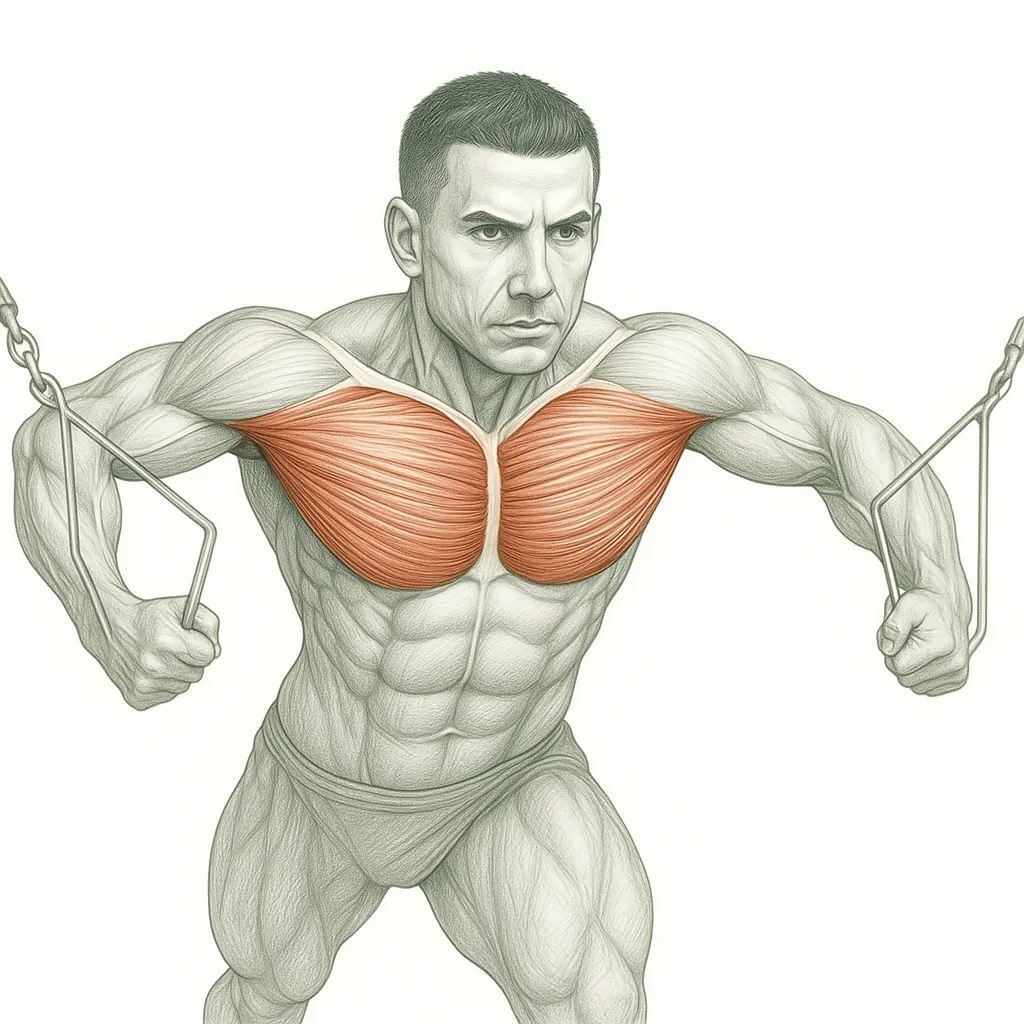
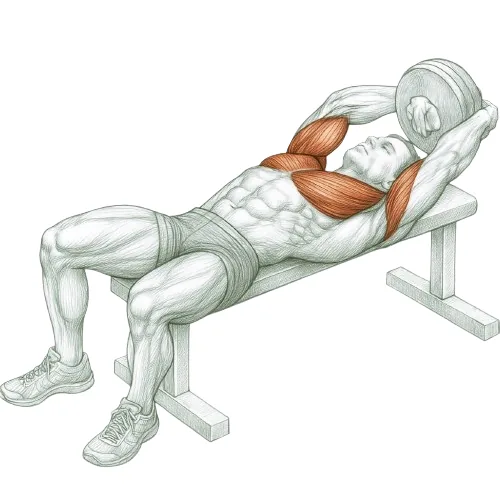
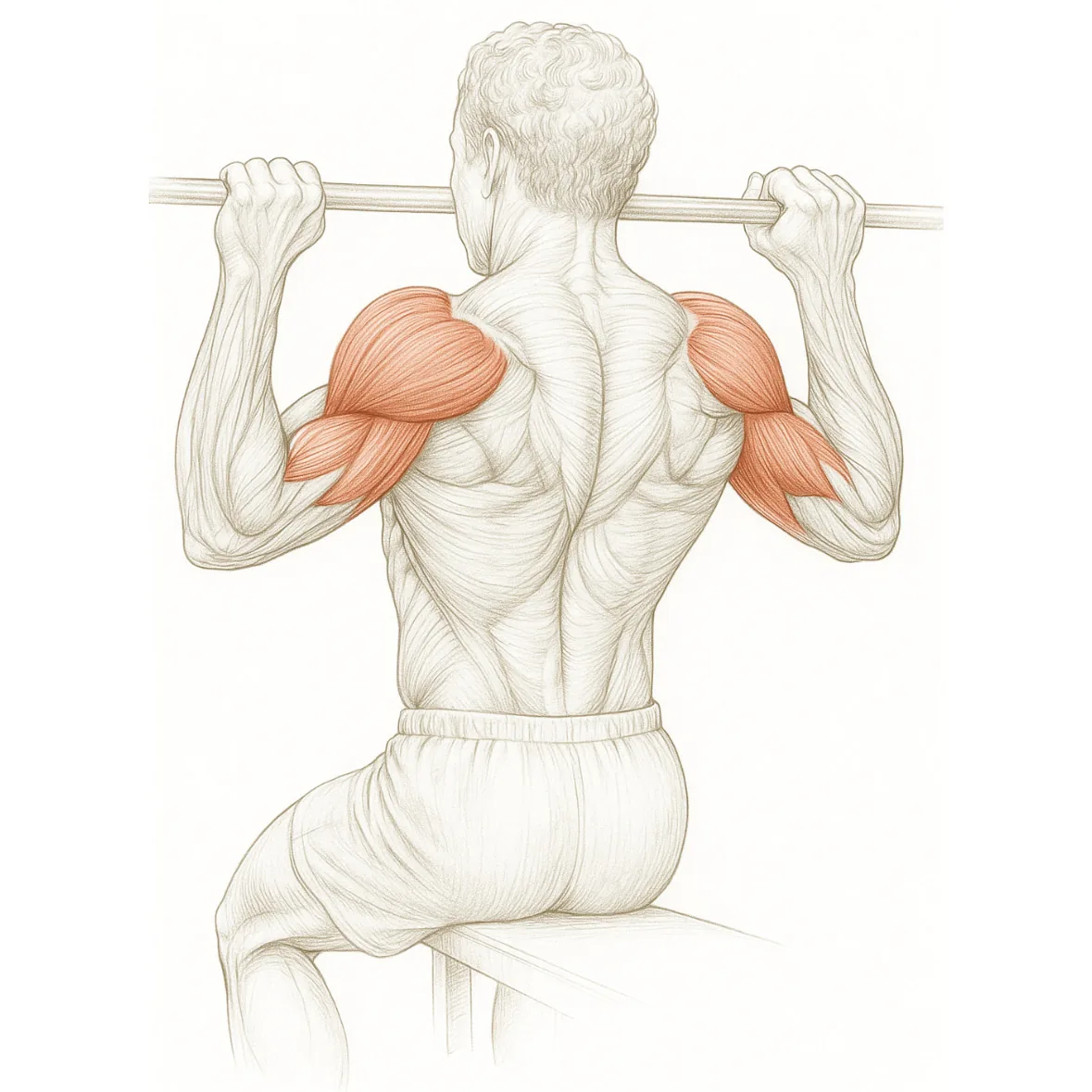
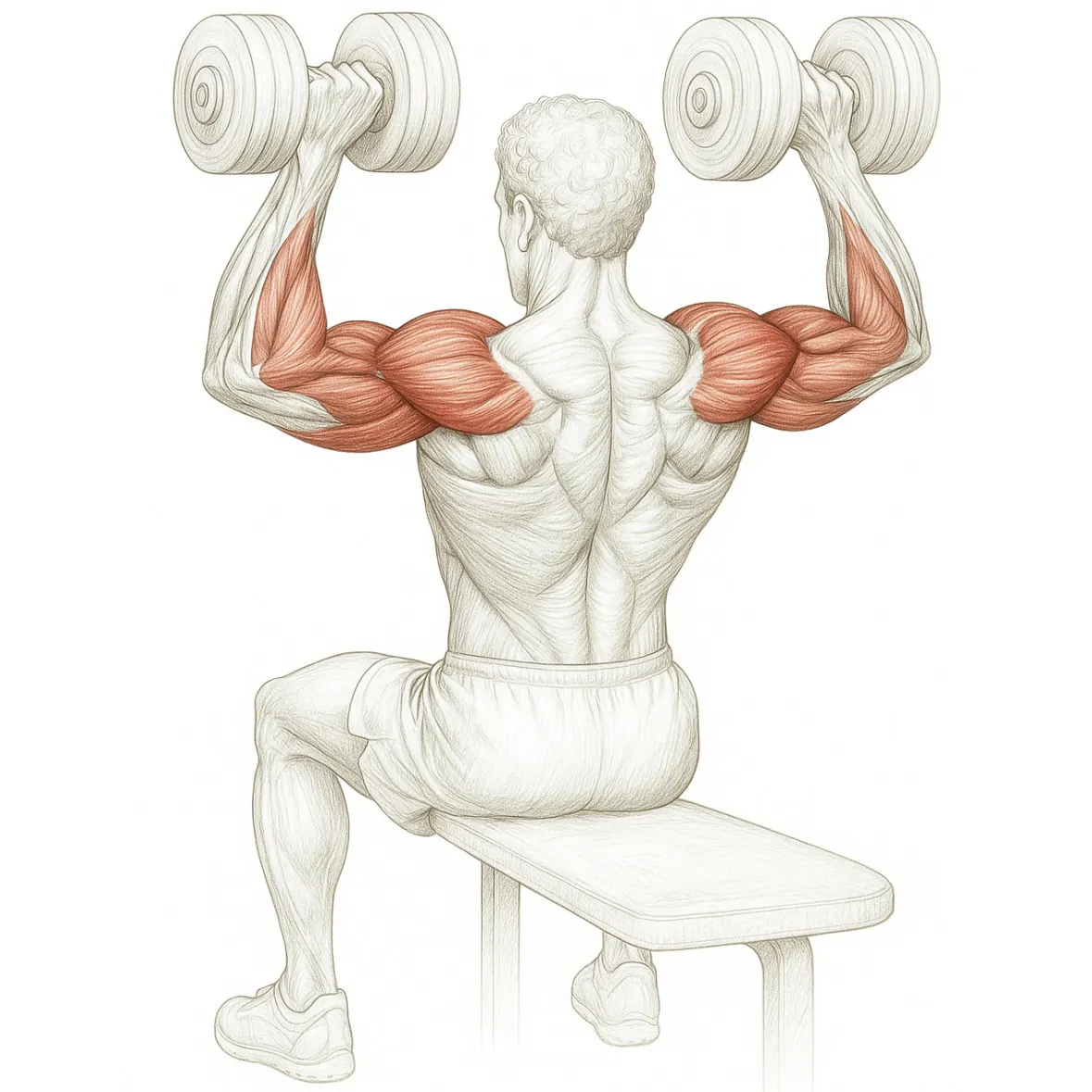
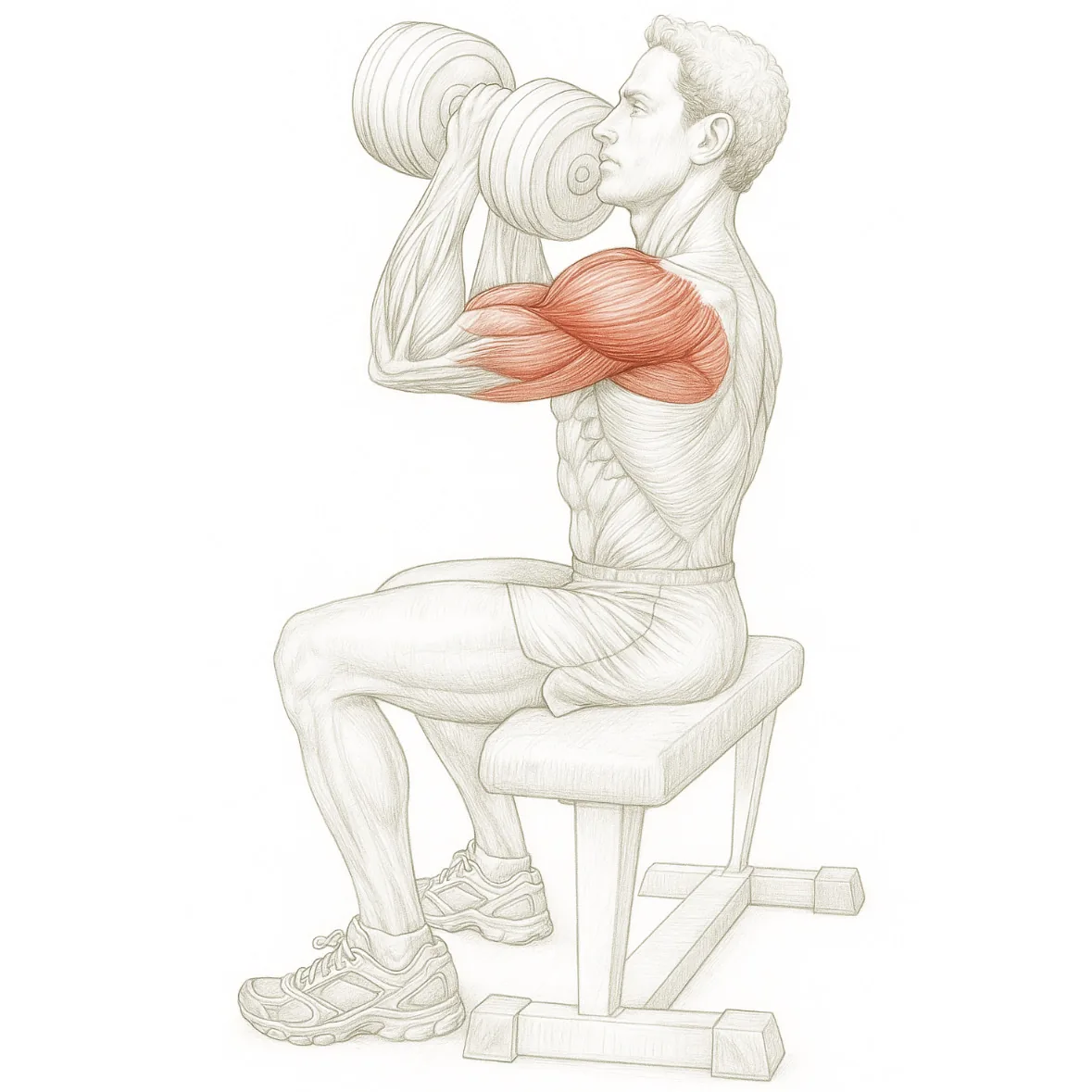
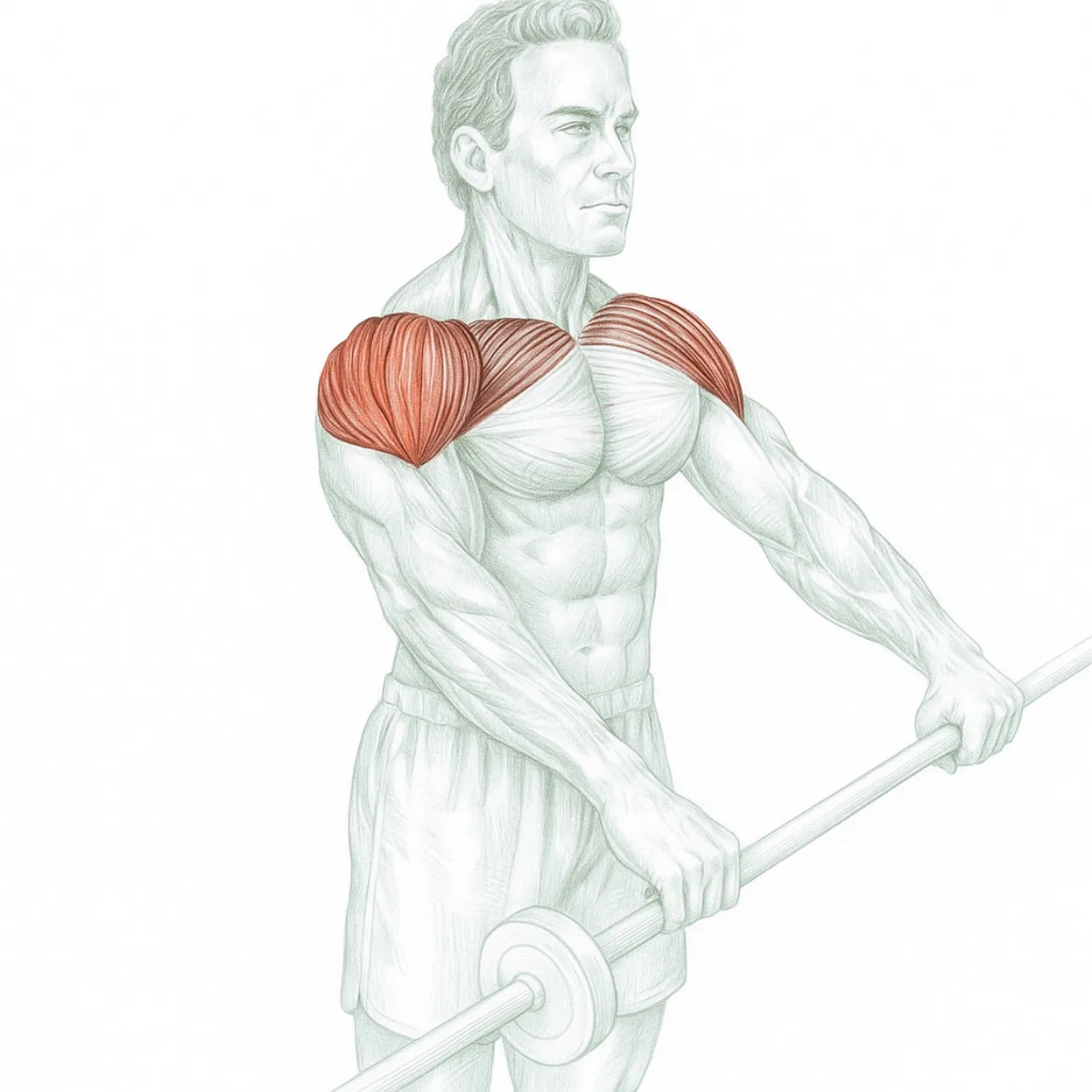
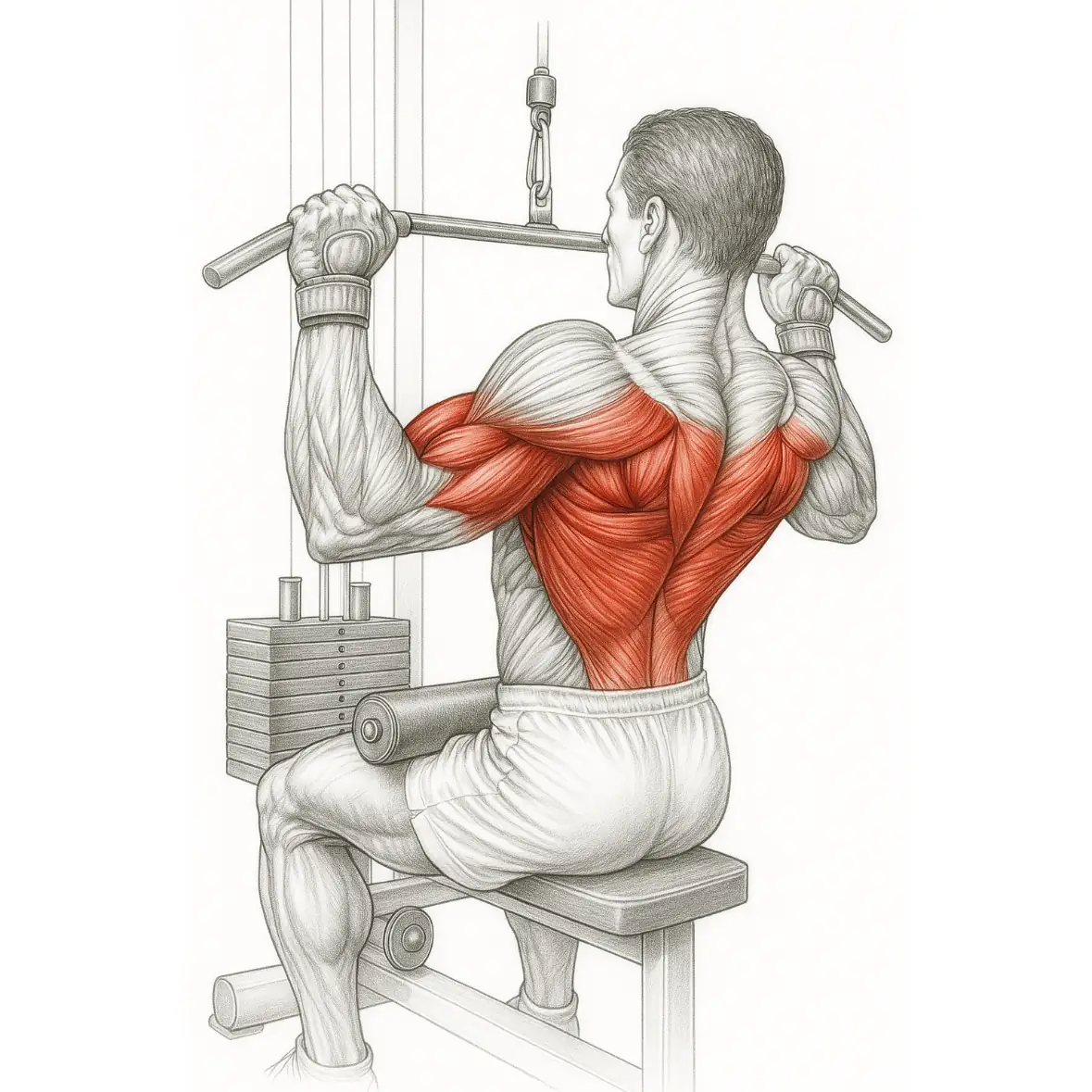
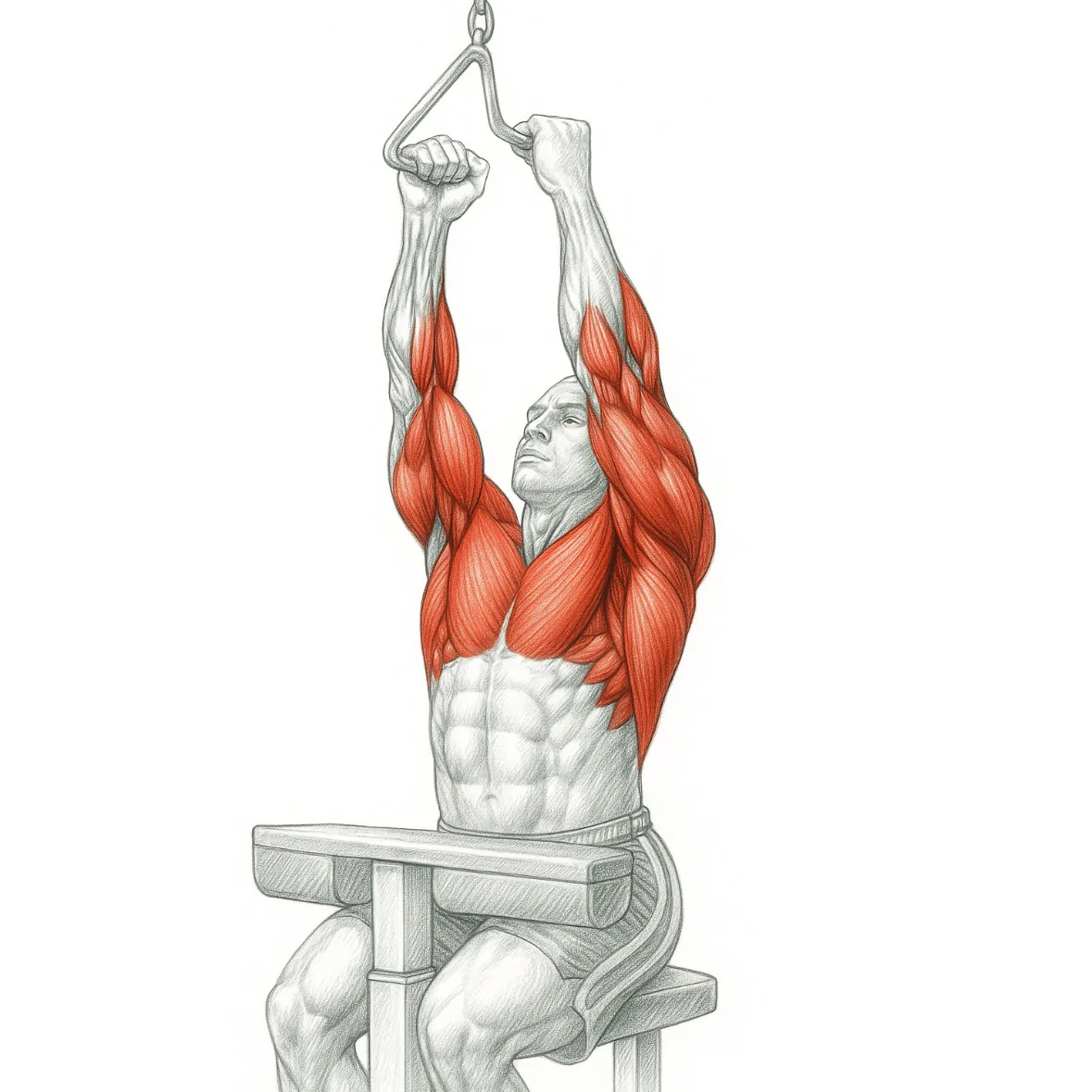
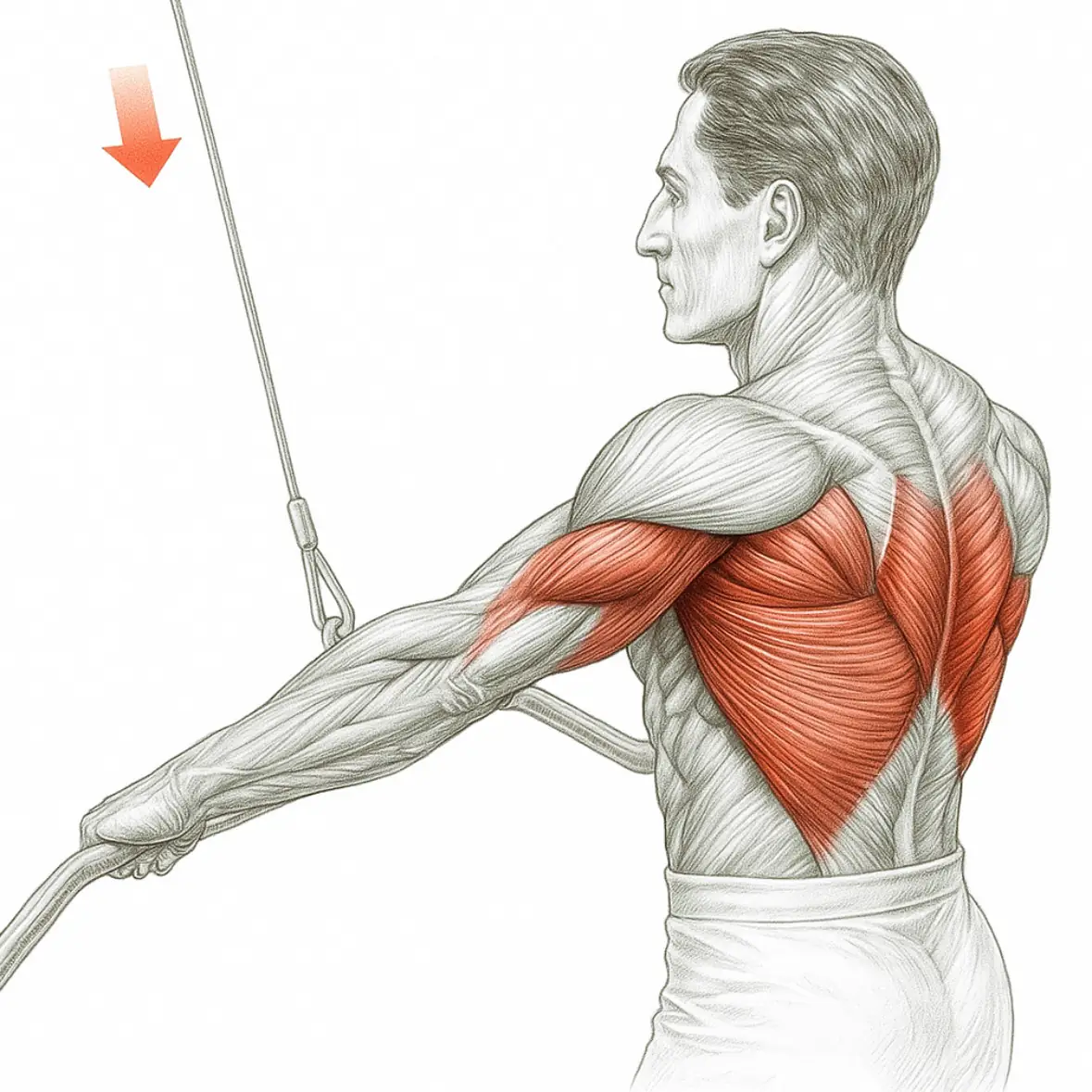
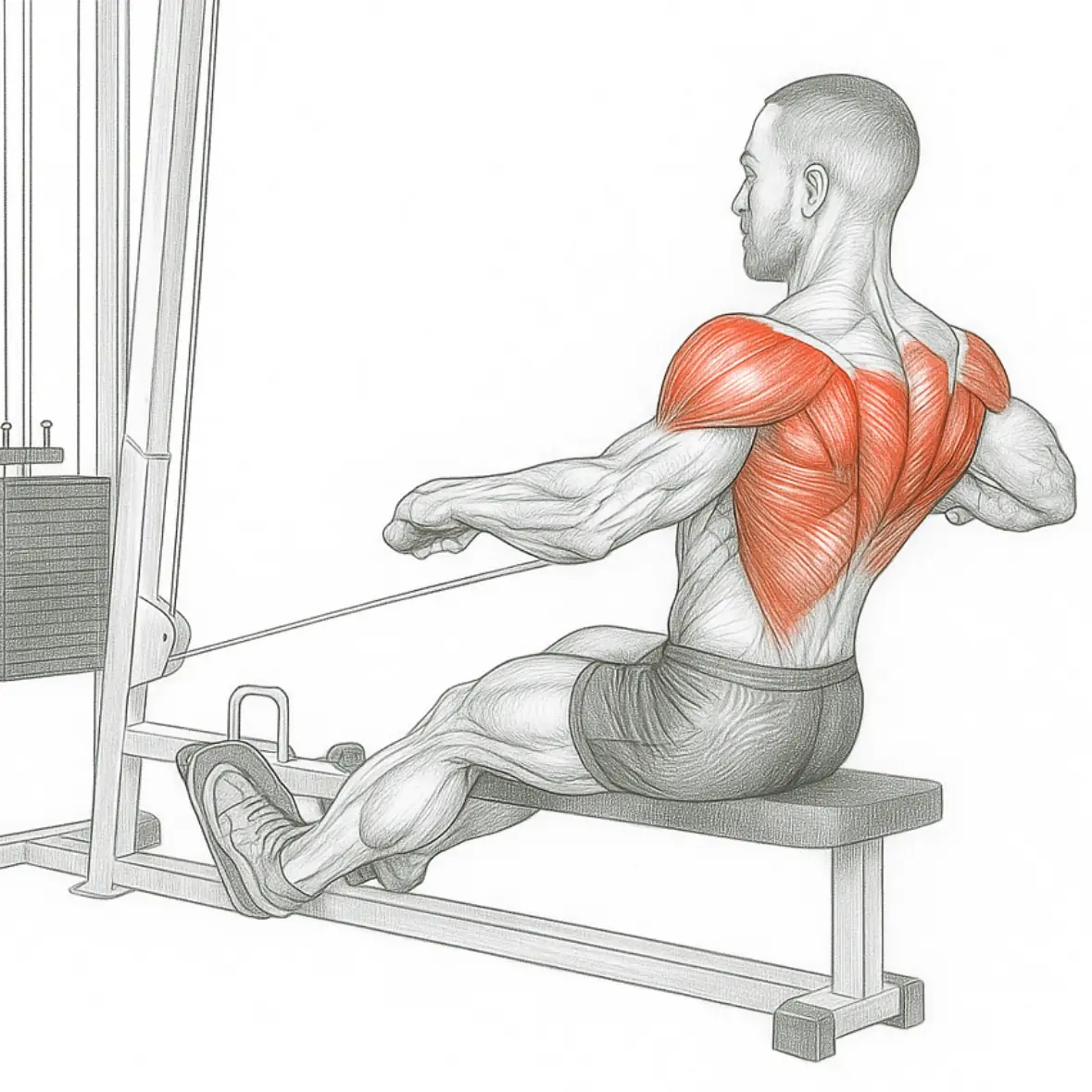
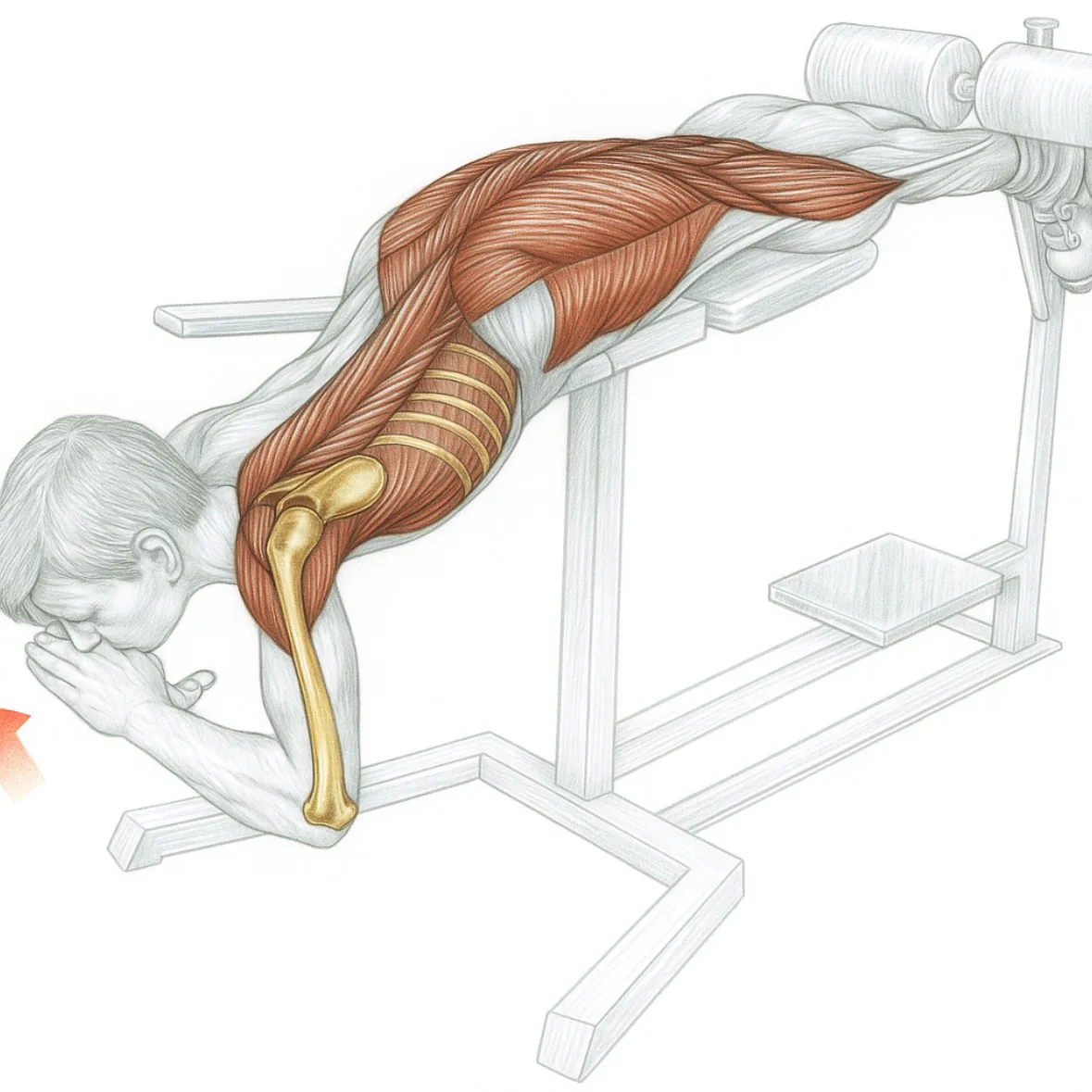
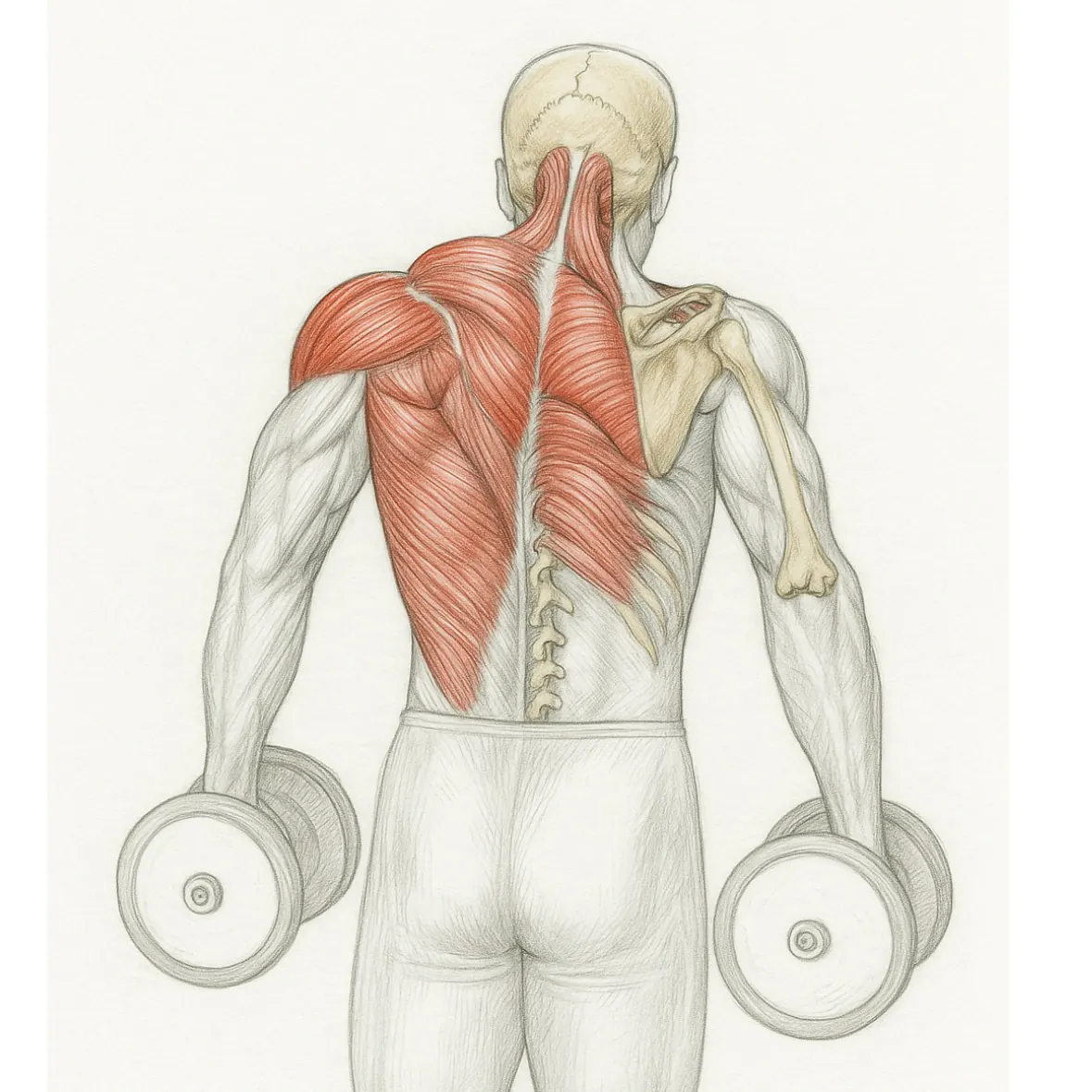
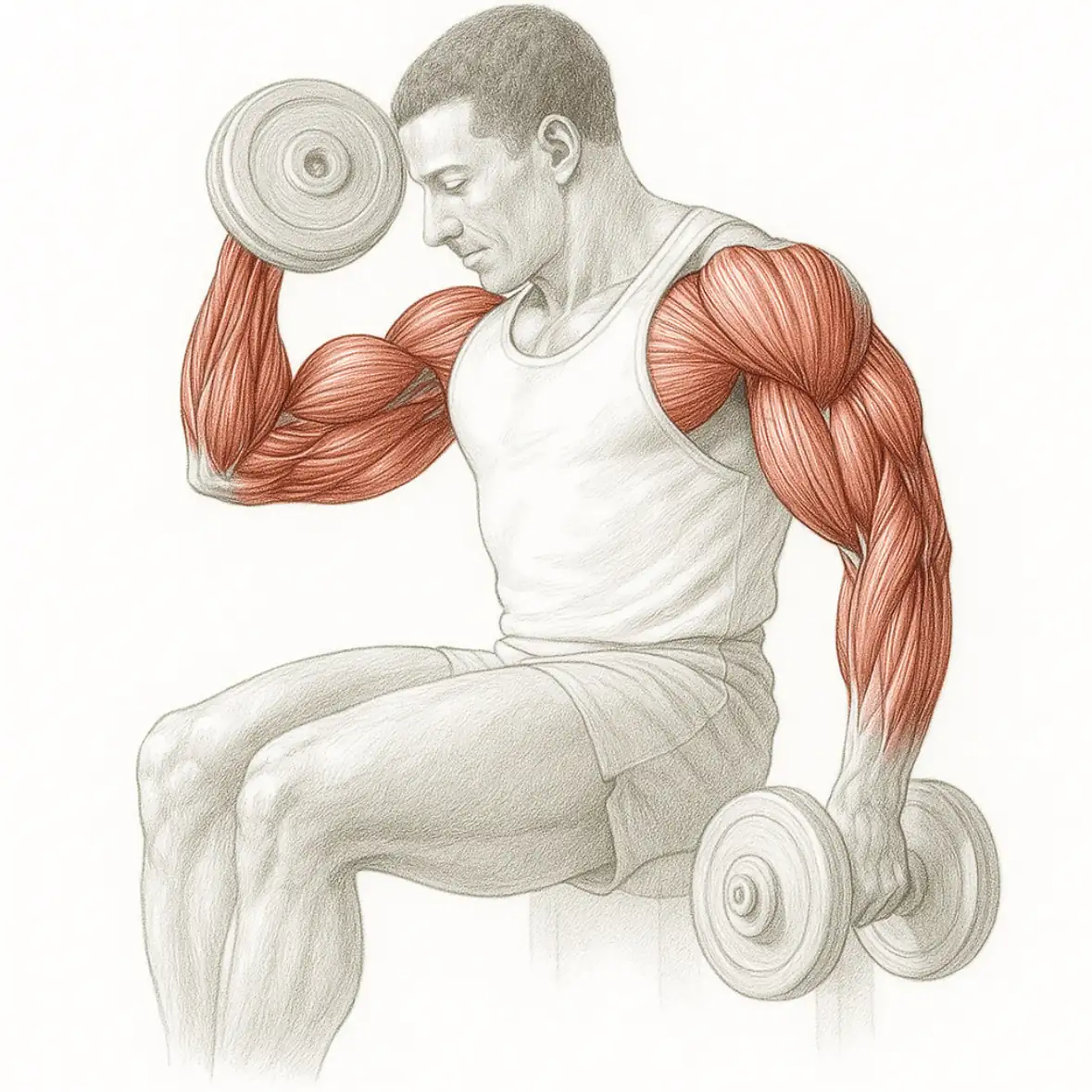
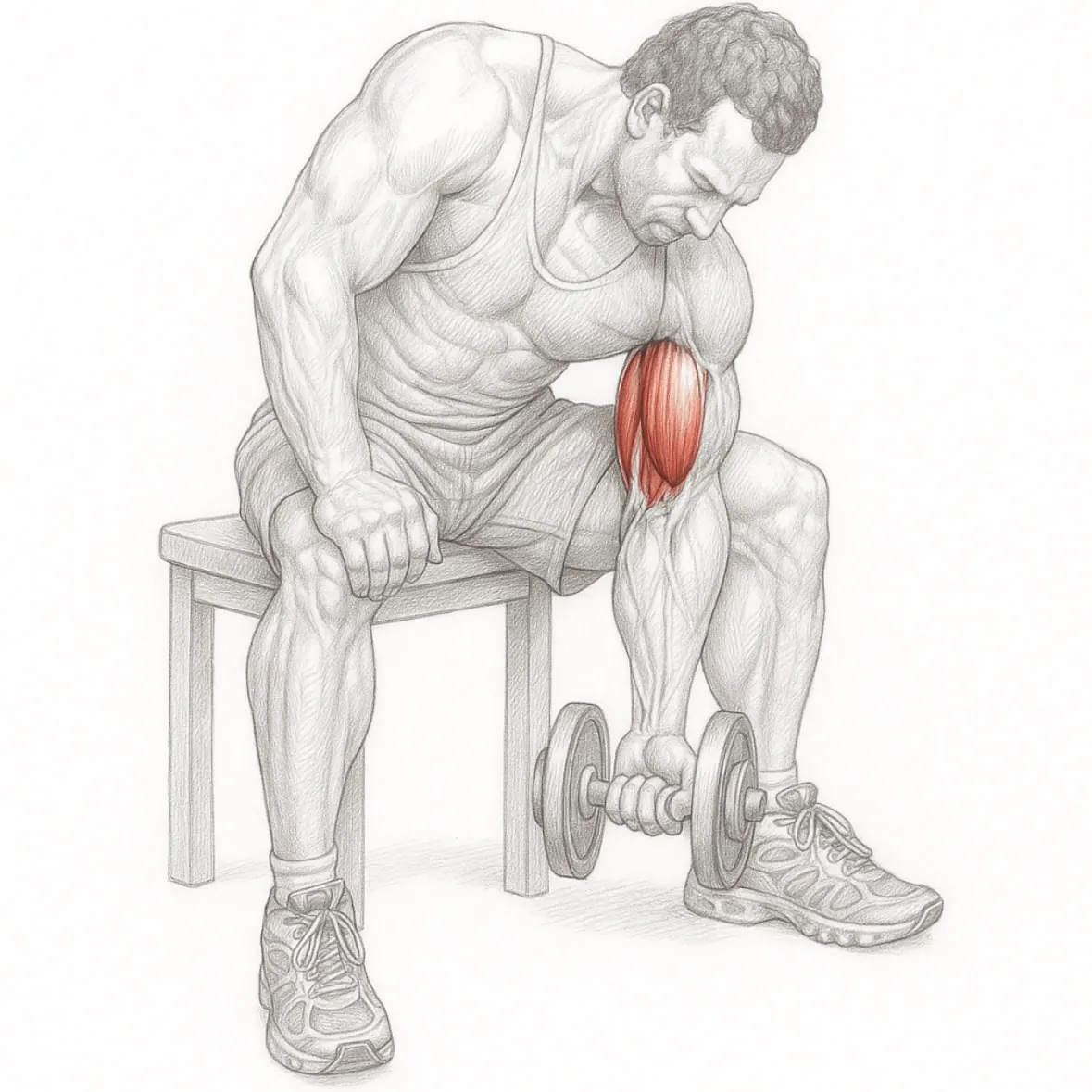
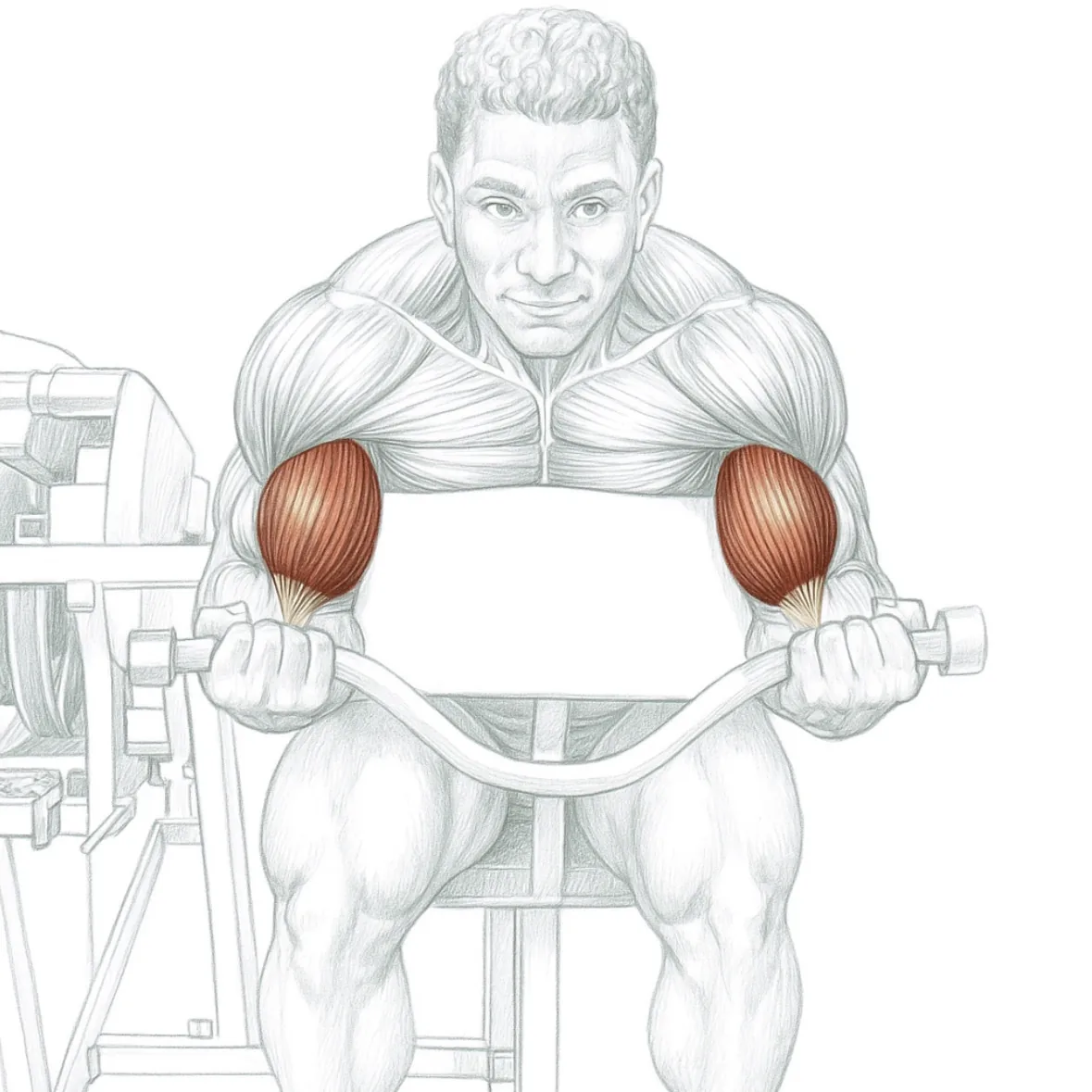
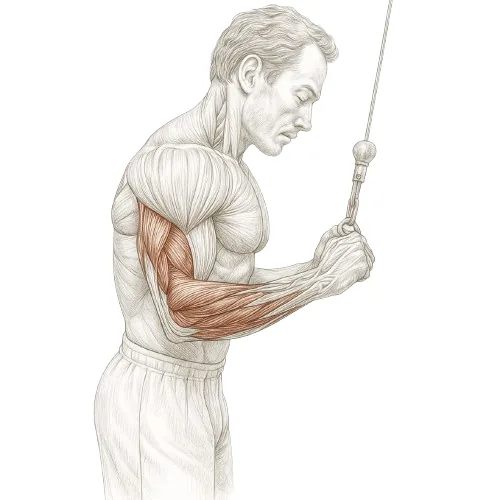
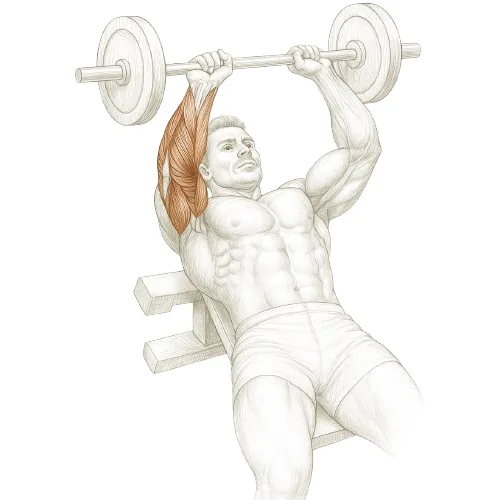
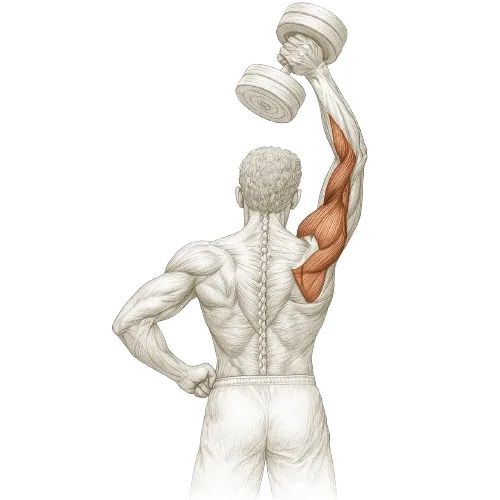
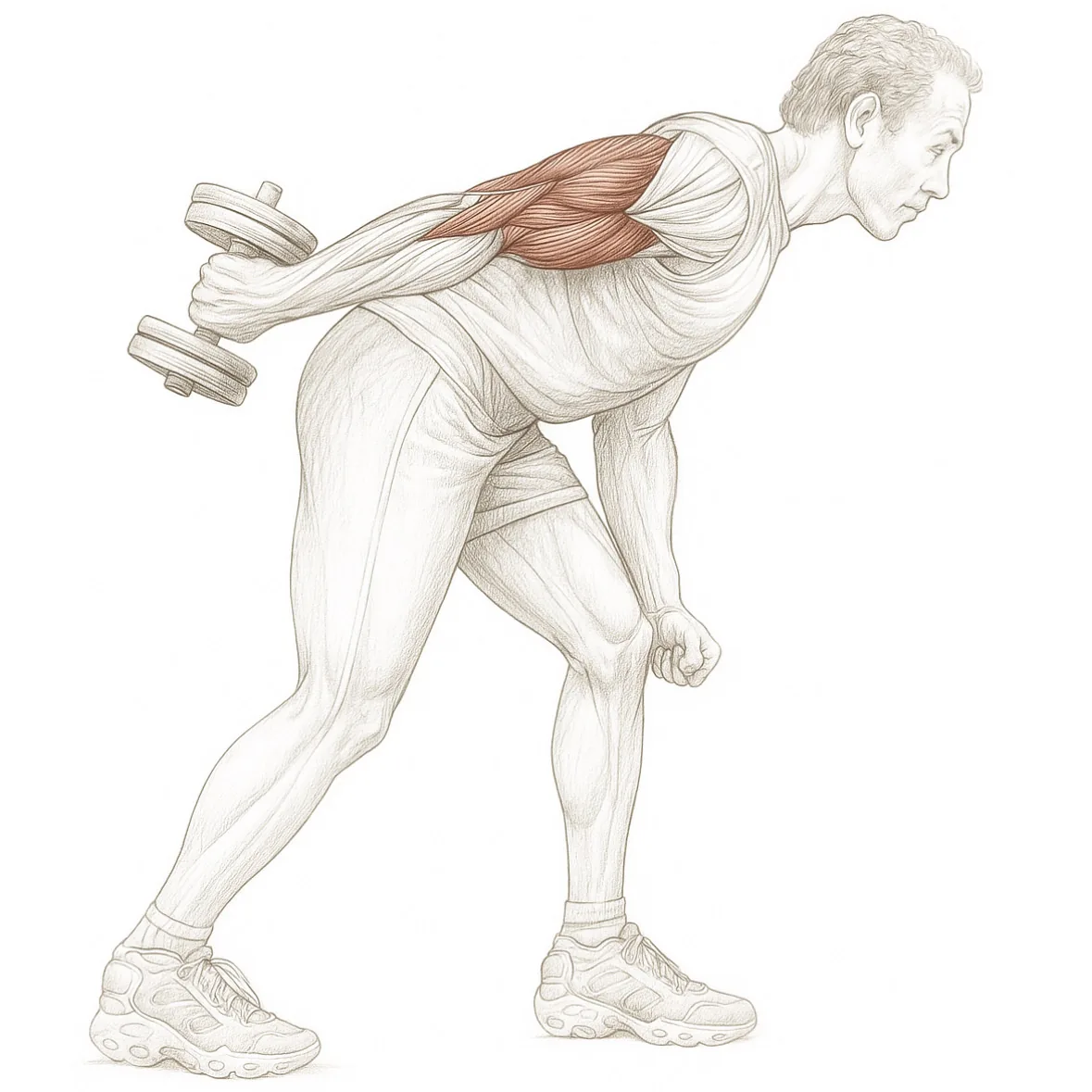
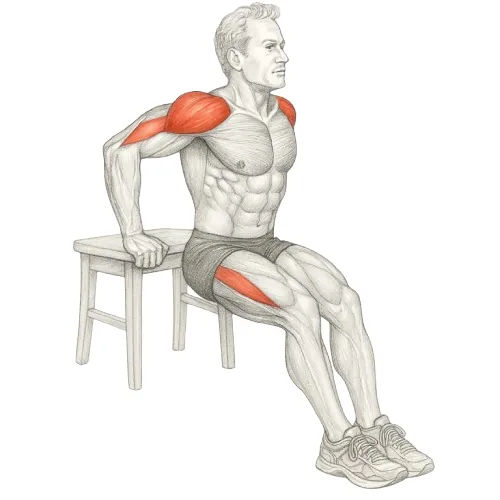
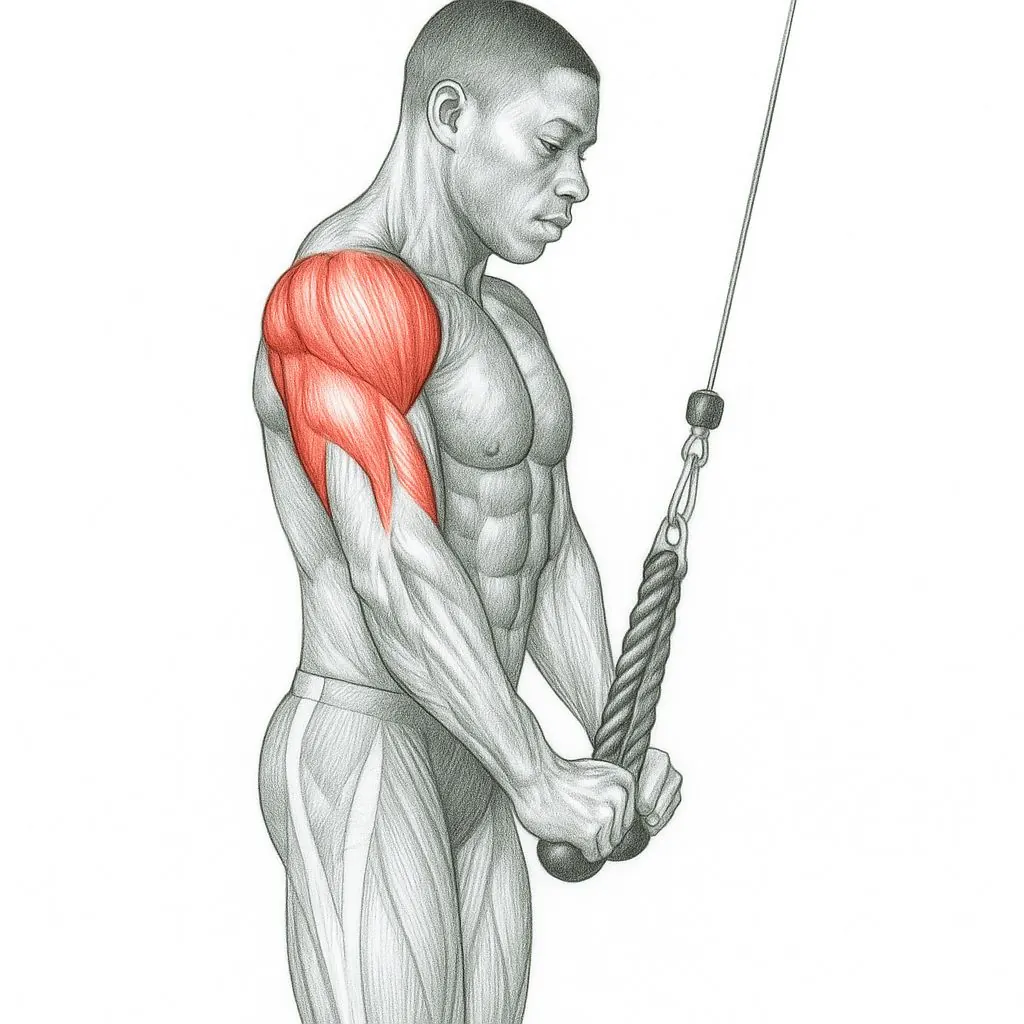
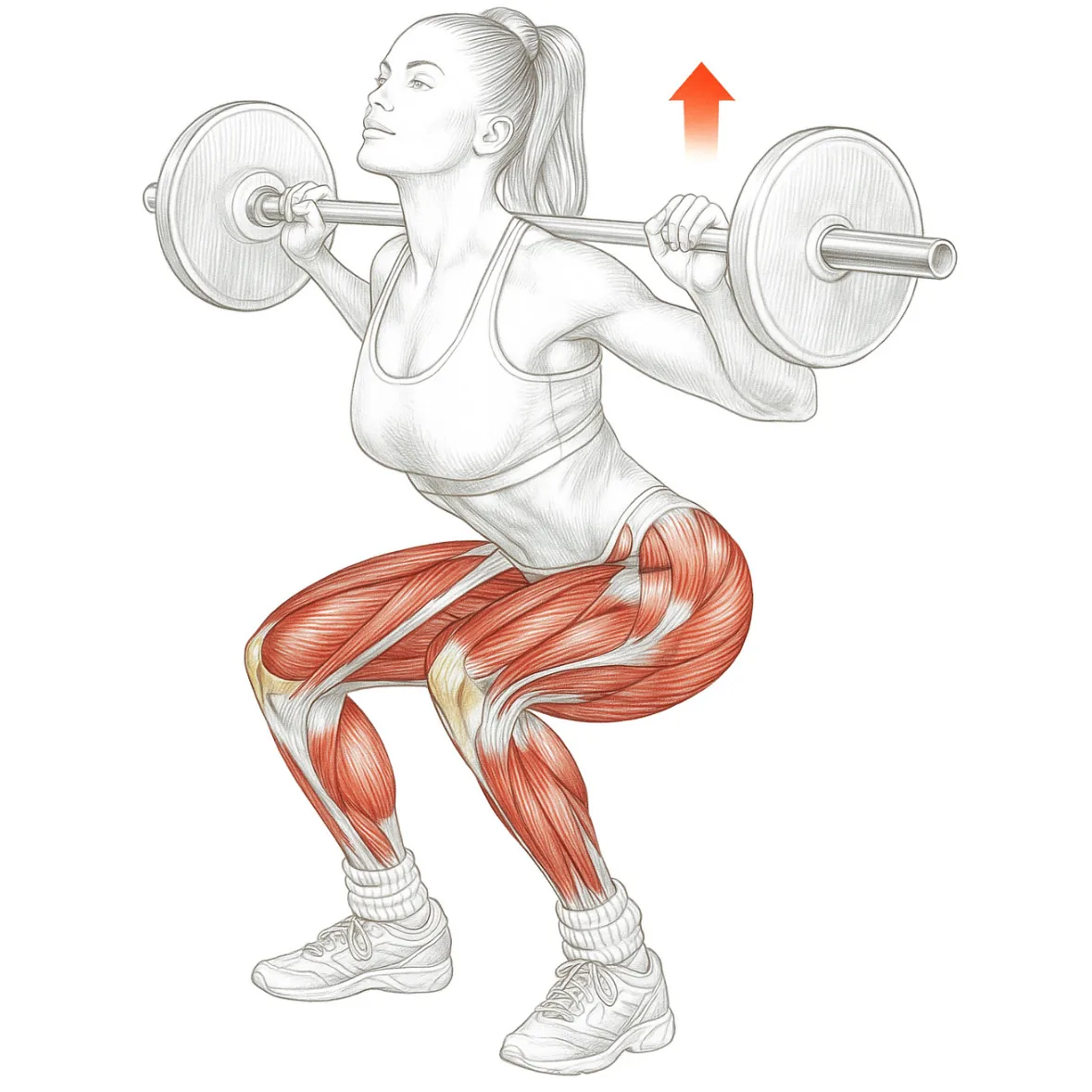
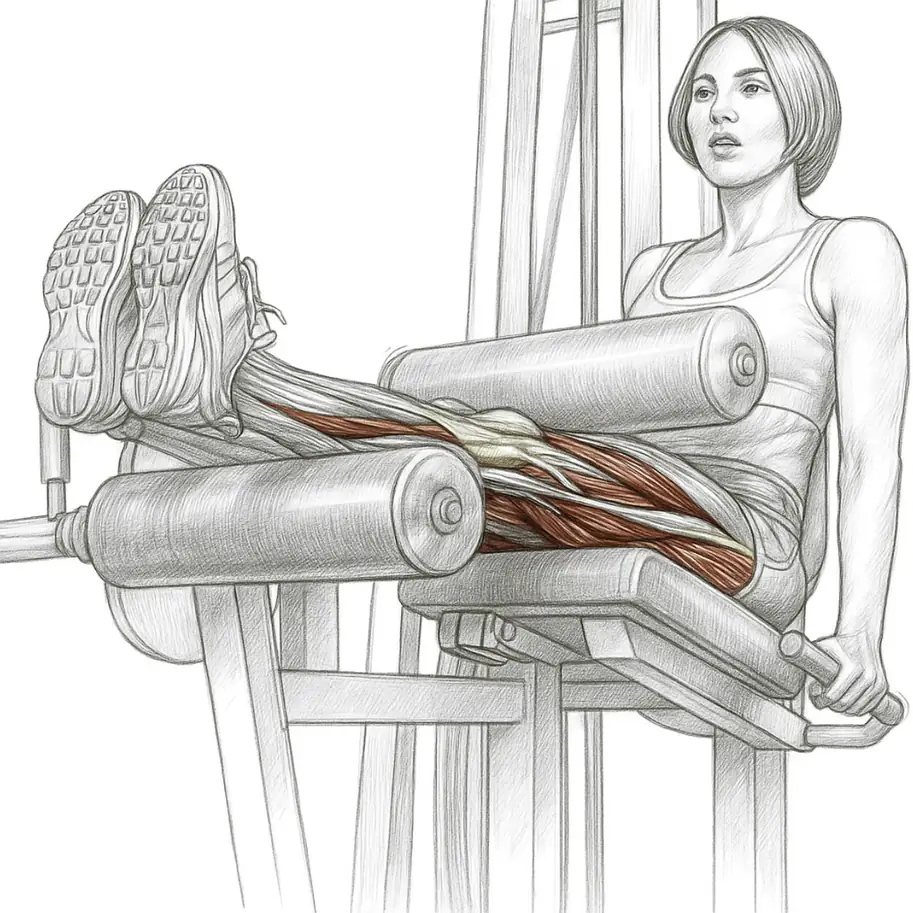
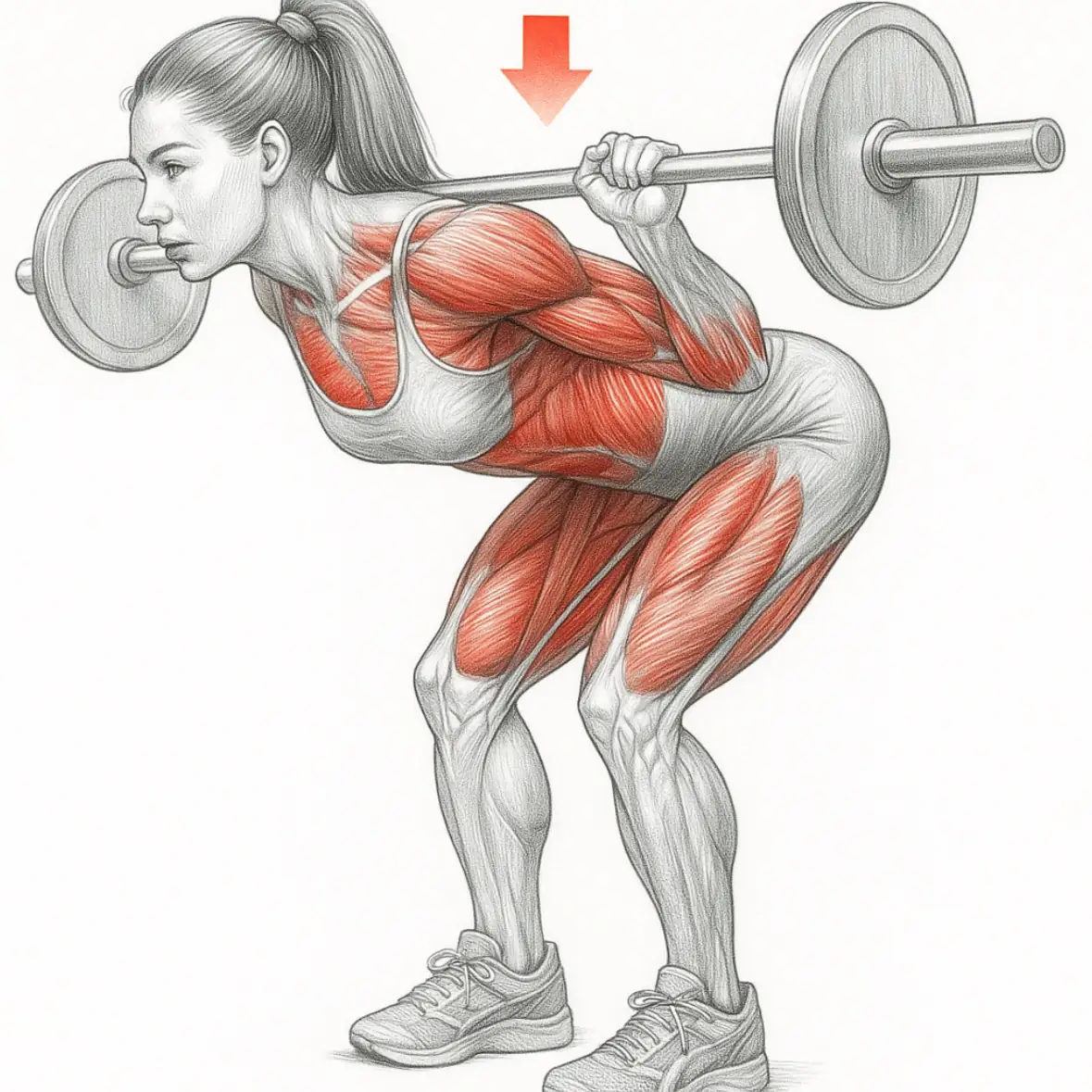
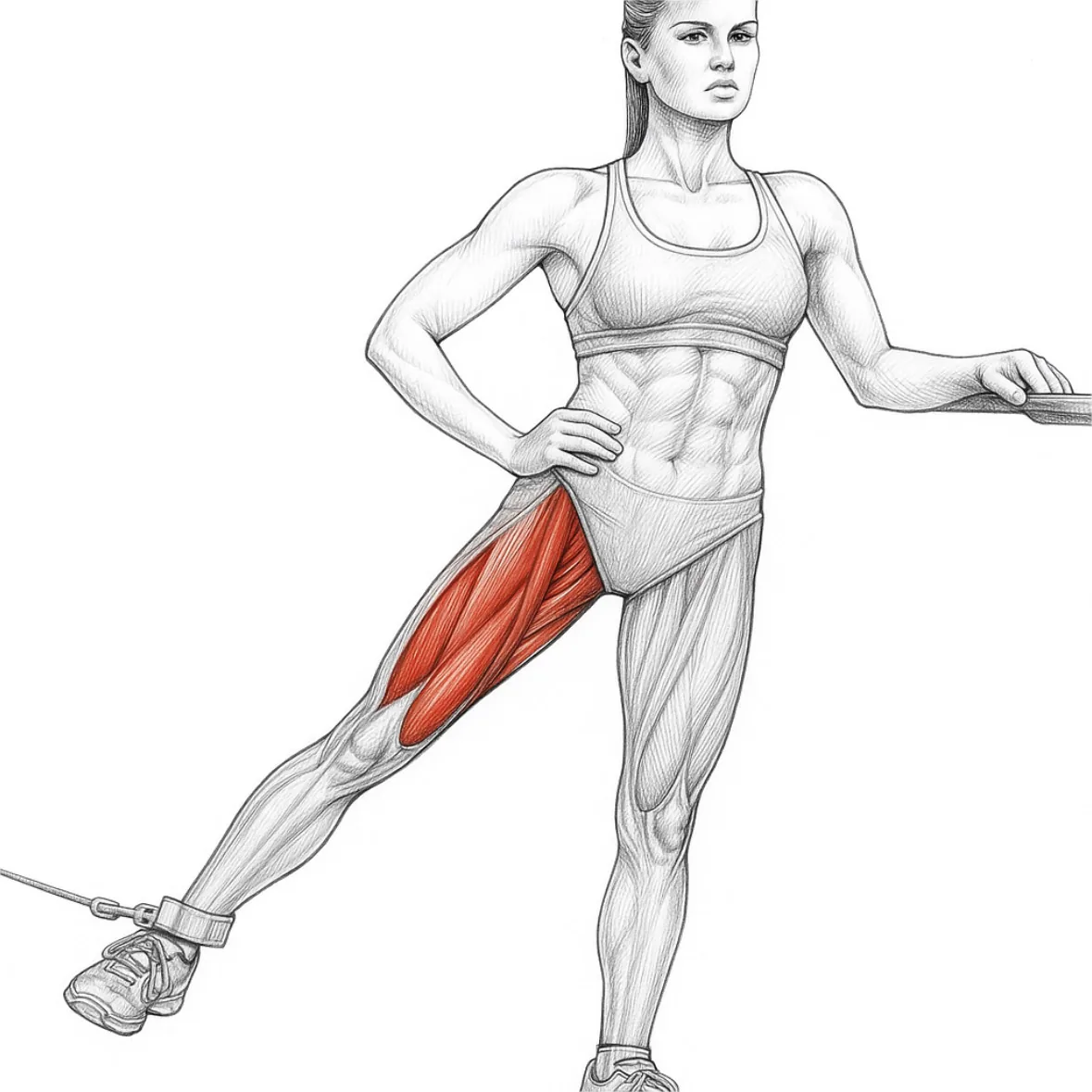
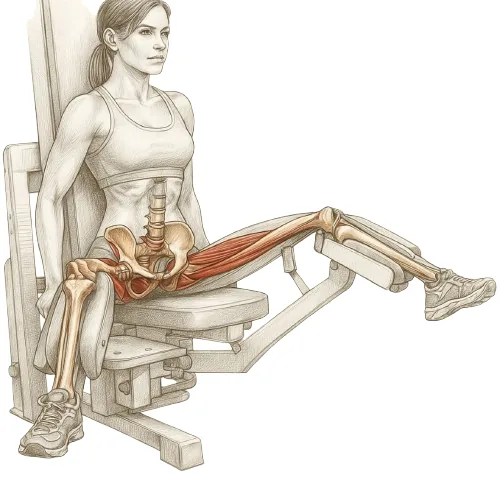
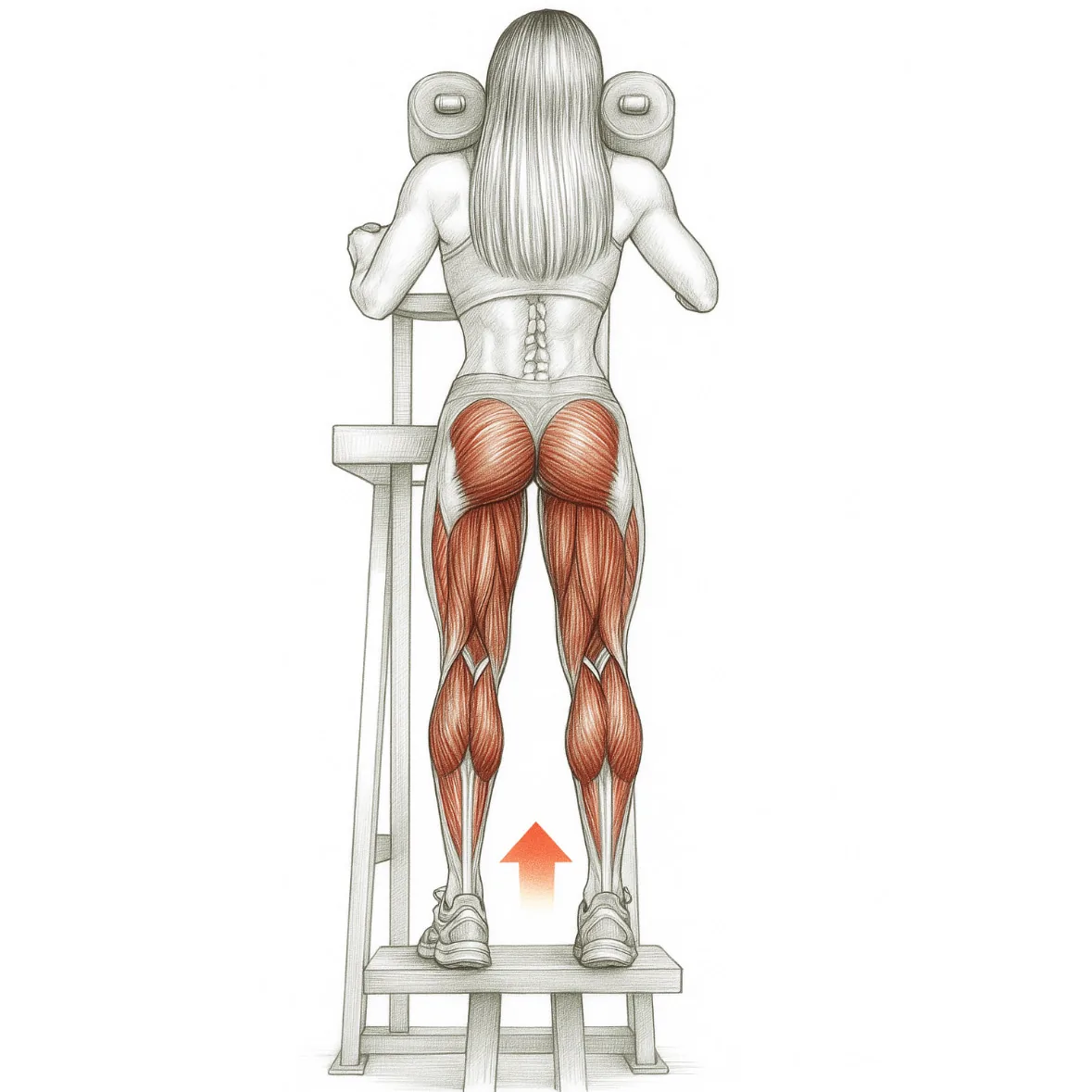
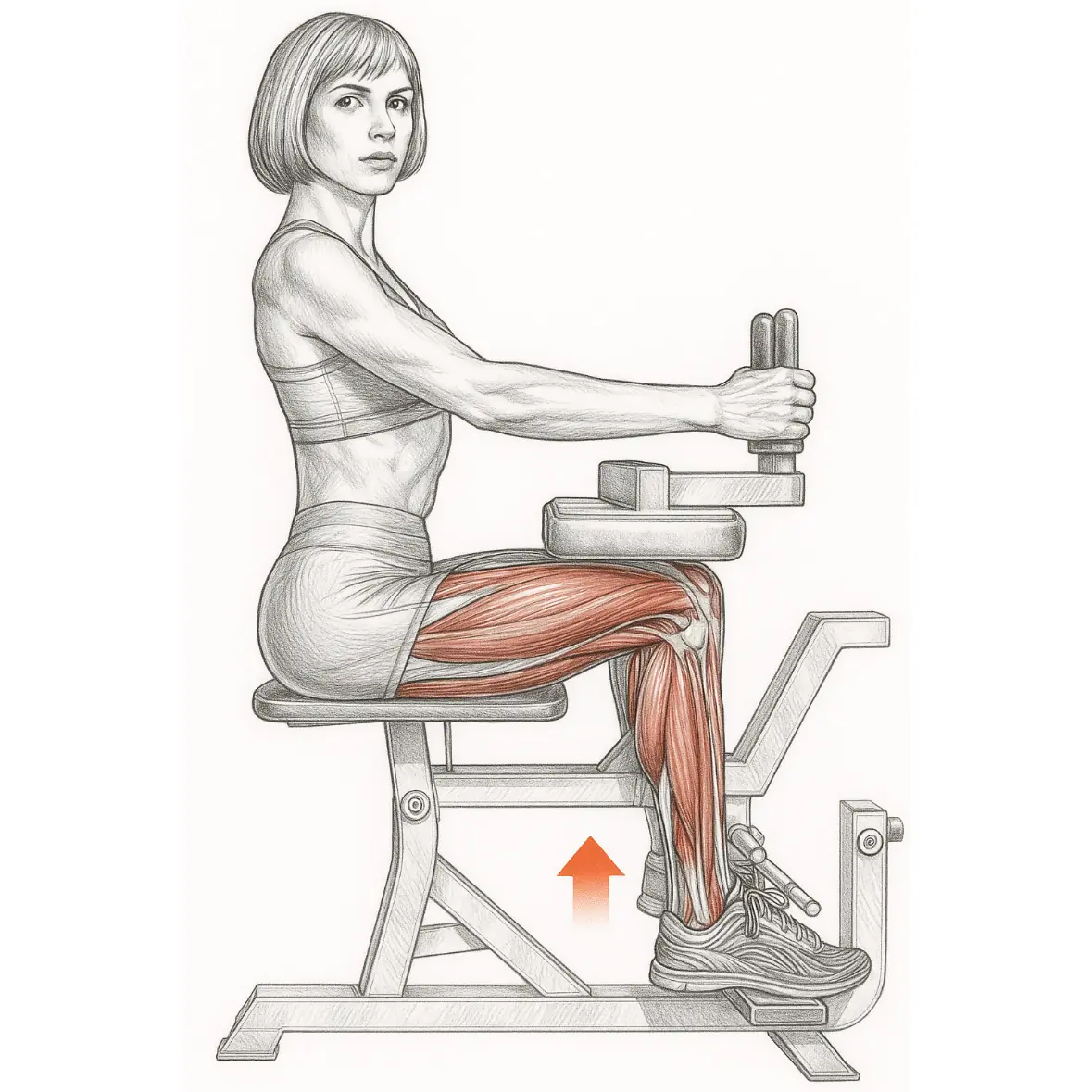
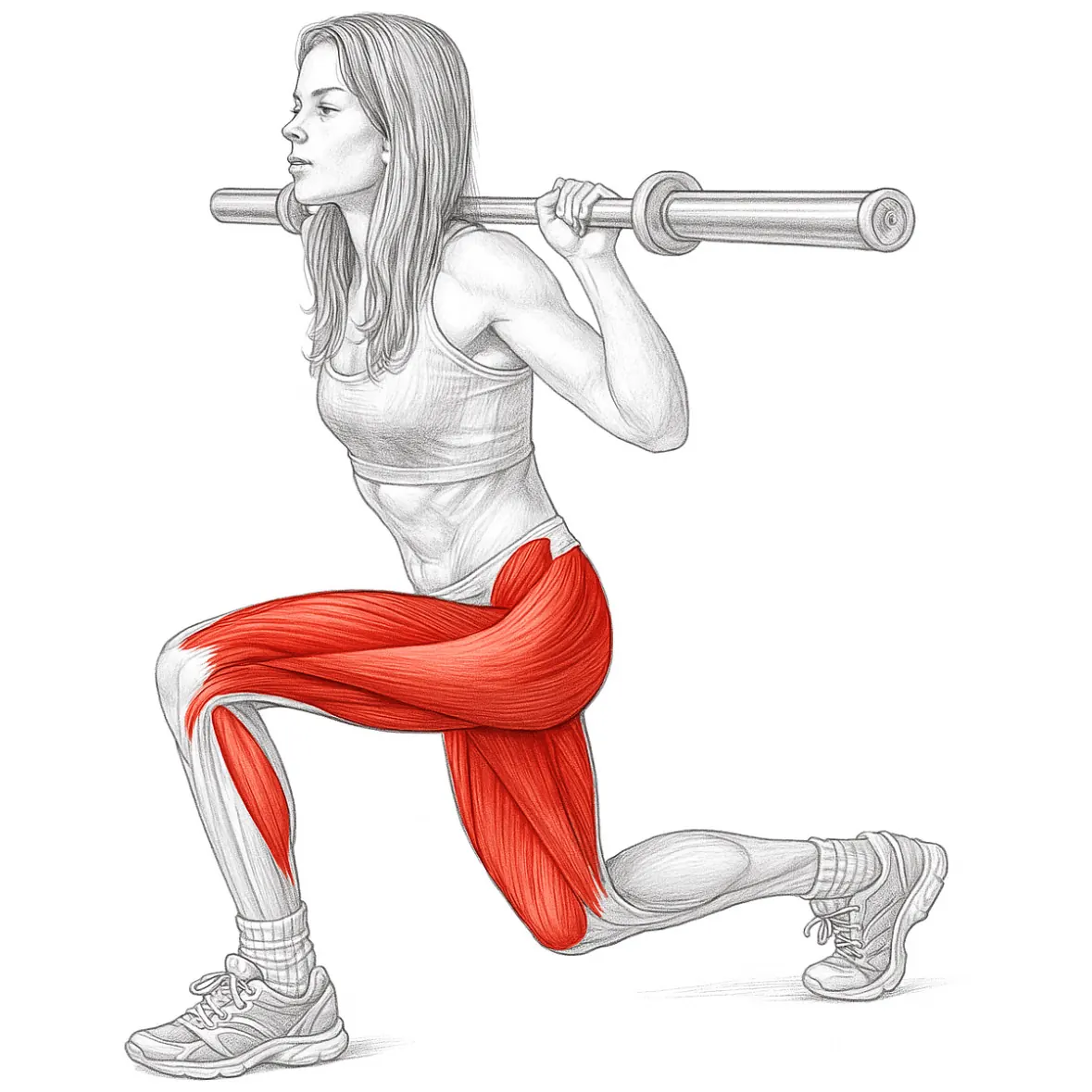
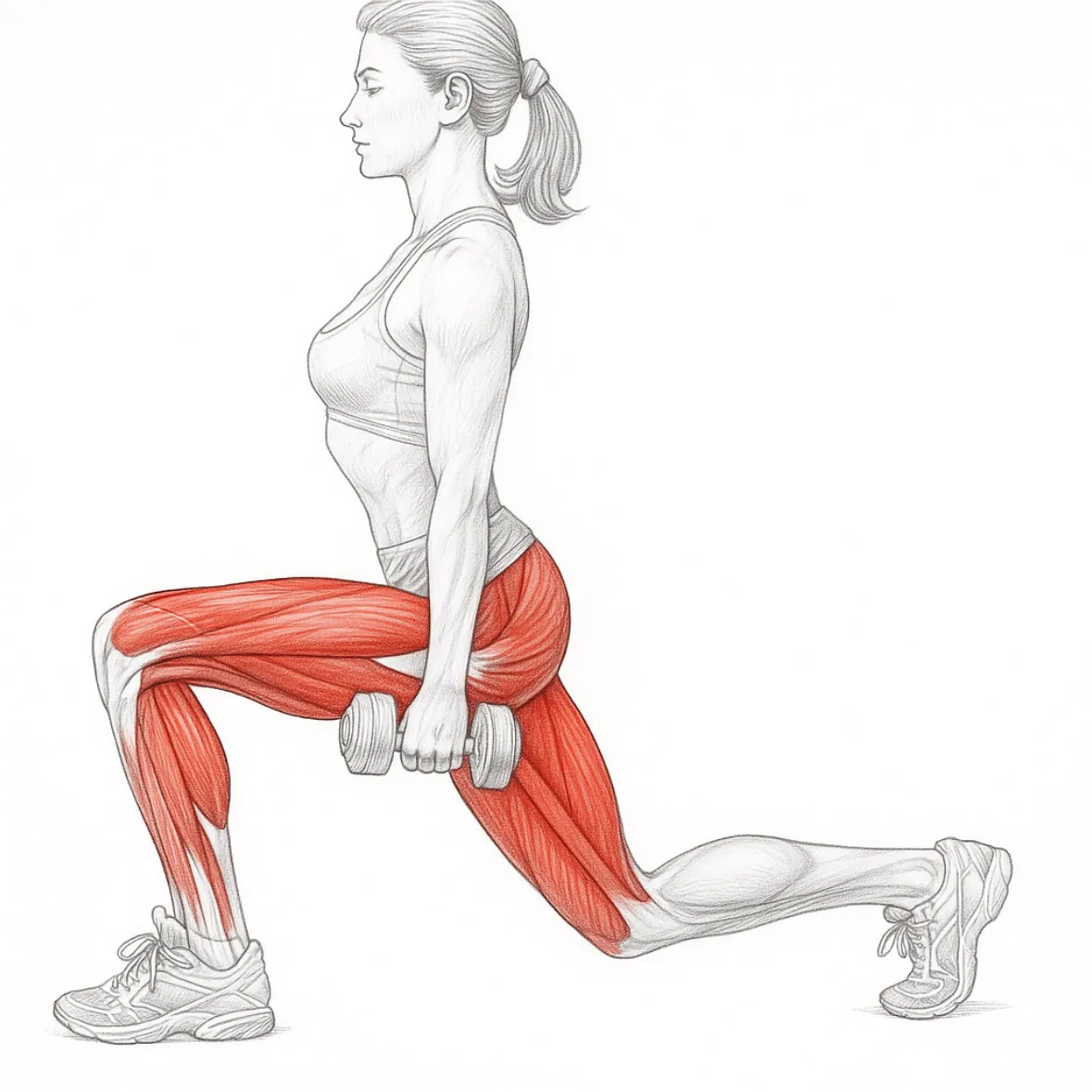
Exercises by muscle group

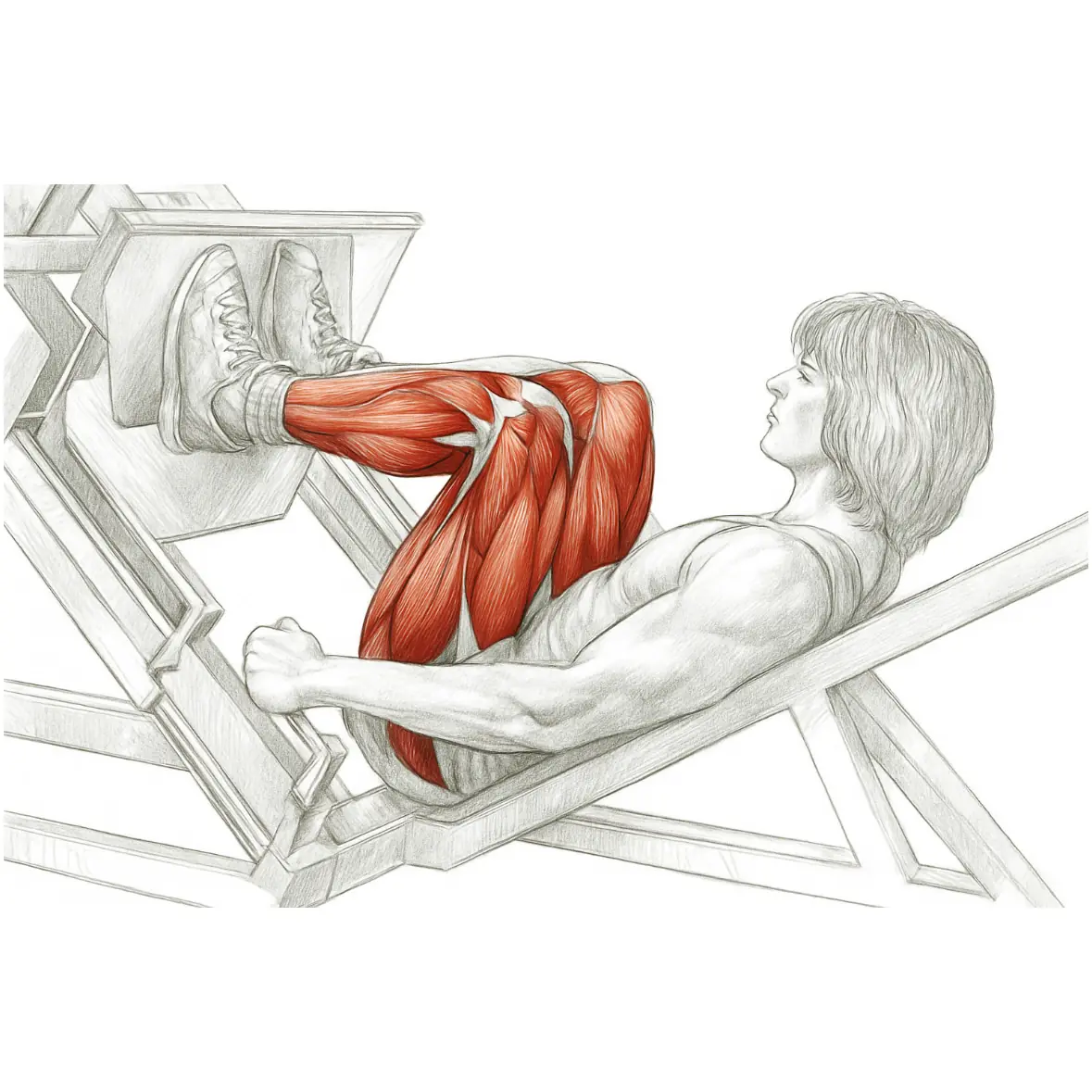
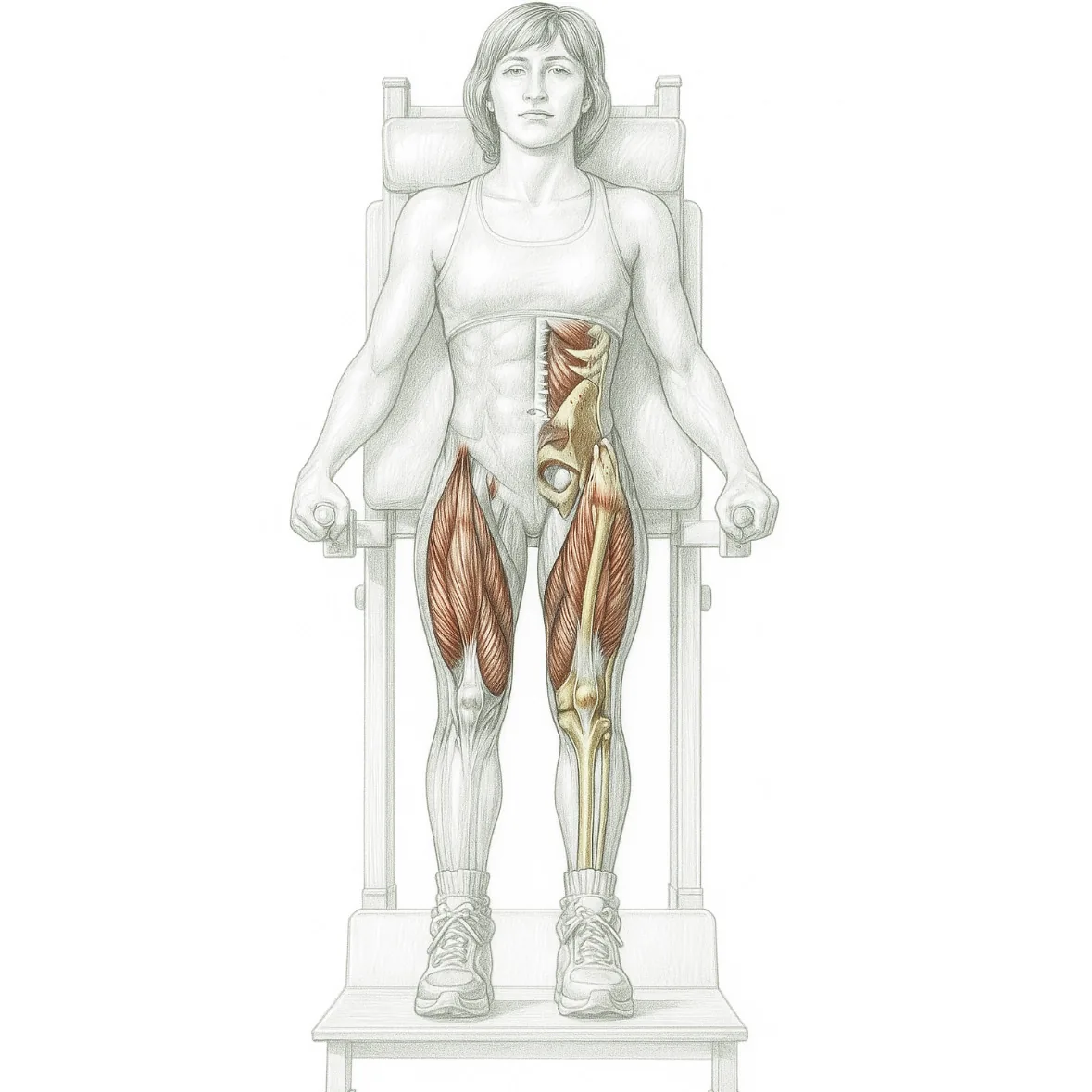
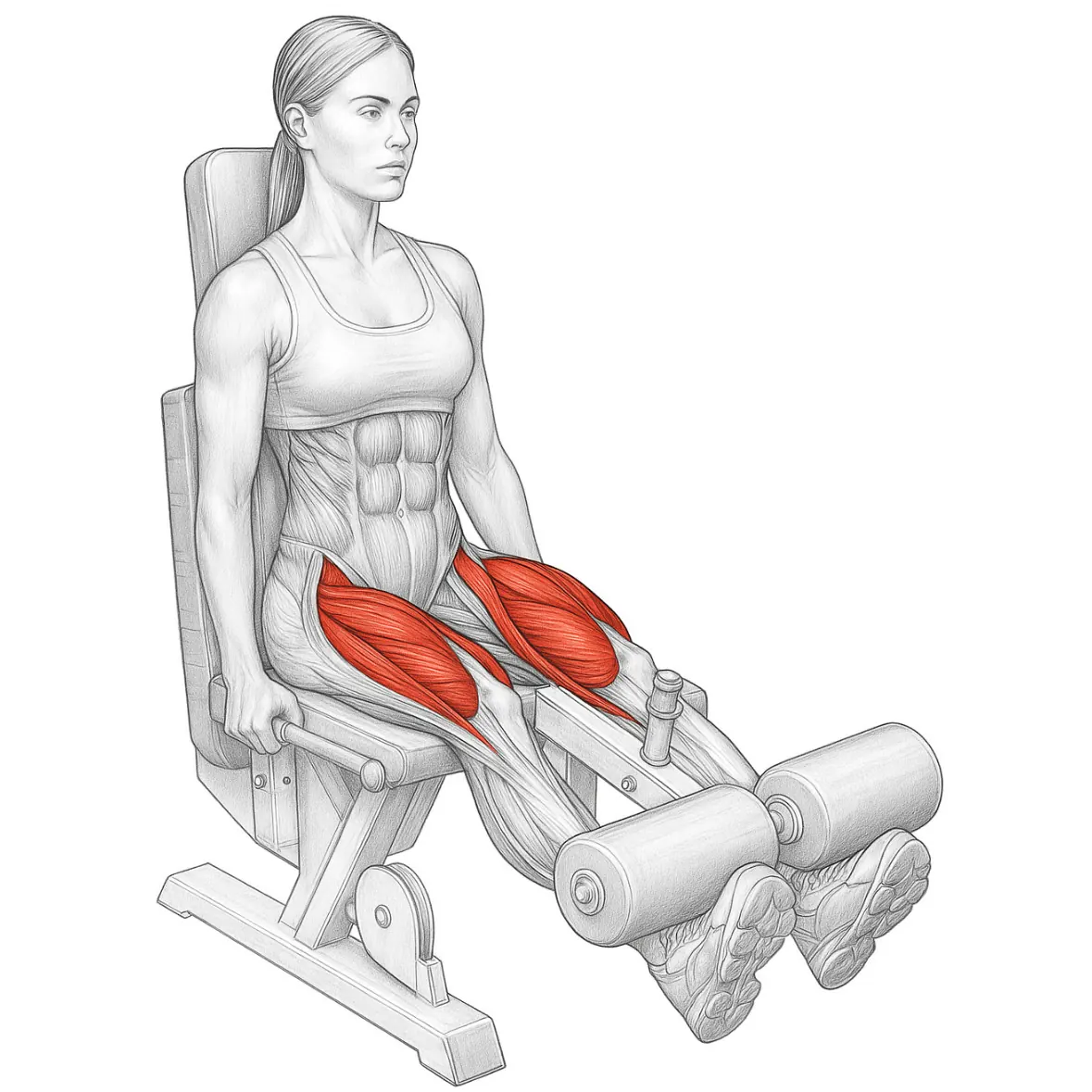
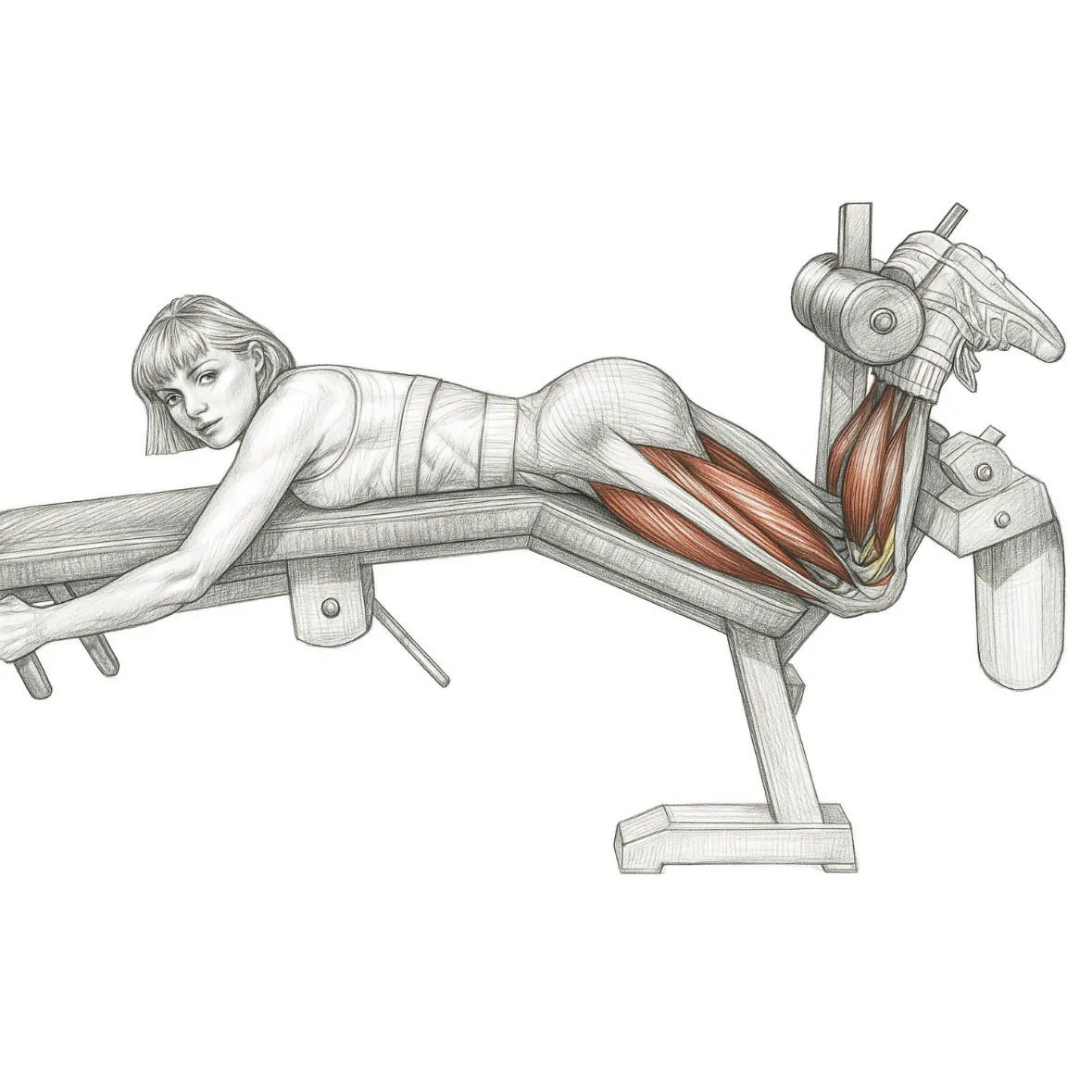
To help you lift safely and advance more quickly, each gallery provides setup and form cues for the main muscles used as well as common mistakes.
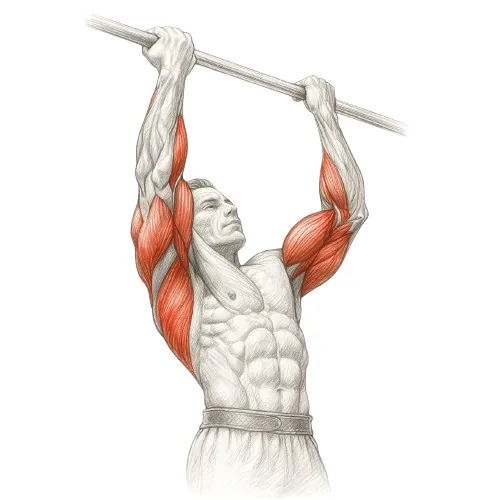
Pure & Best Bodybuilding Programs

Train Smart for Real Growth

  • Bodybuilders often neglect larger muscle groups (e.g., thighs) in favor of smaller ones (e.g., biceps), hindering overall growth.
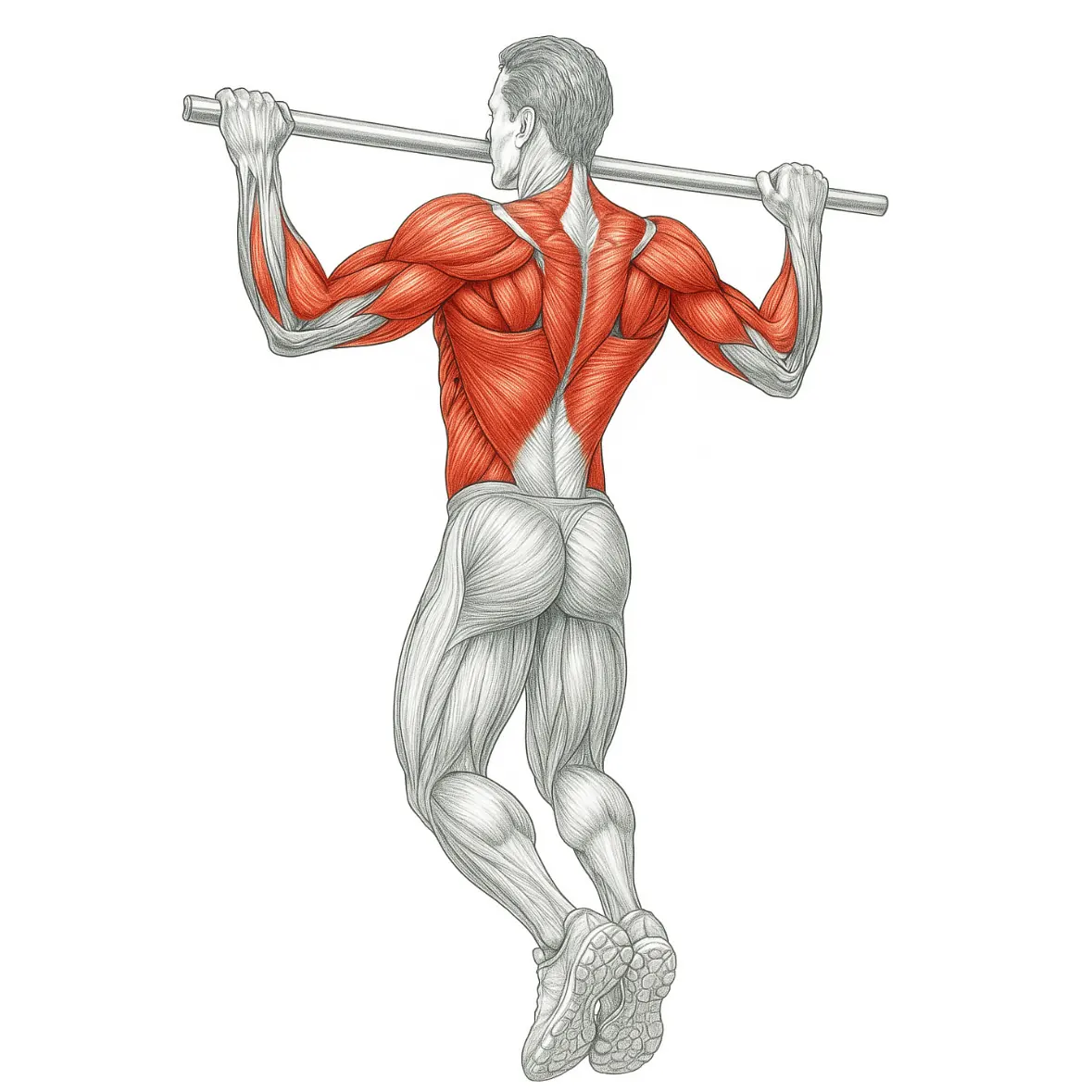
  • Many gym programs add complexity too early. Beginners usually benefit from repeatable movement patterns, clear progression, and manageable weekly volume.
  • These programs combine compound and accessory exercises using free weights, machines, or body weight according to your access, comfort, and goals.
📅 View Training Programs

Choose how many days per week you want to train. Each card below shows a sample split — open for full details.

3 Days / Week — Full Body (Beginners)

Simple, sustainable, great for beginners or busy schedules.

Day 1

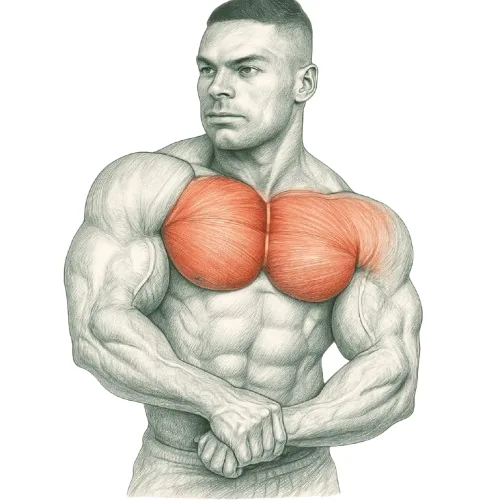
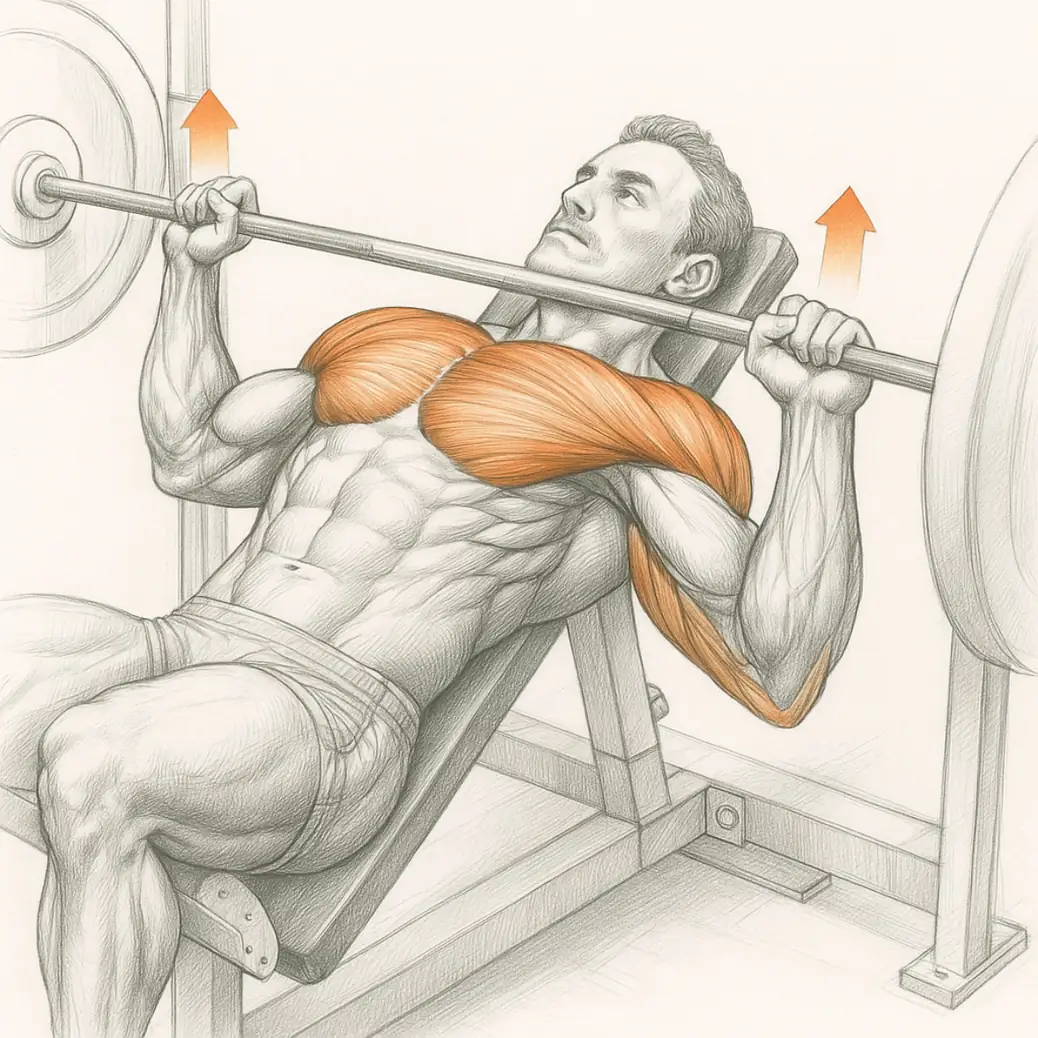
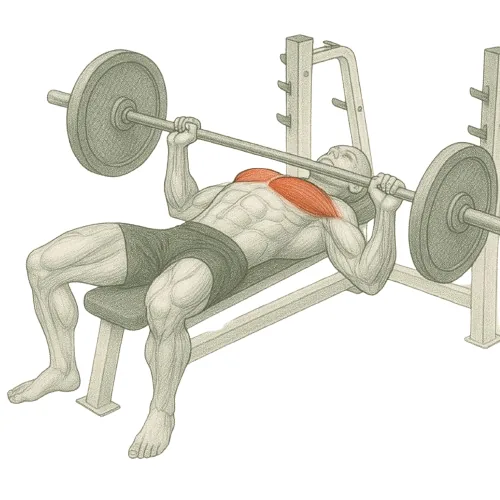
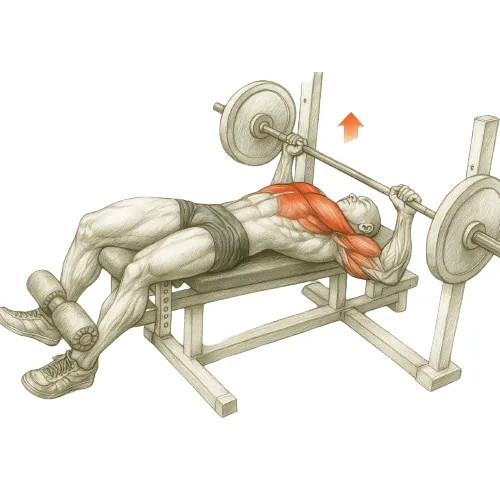
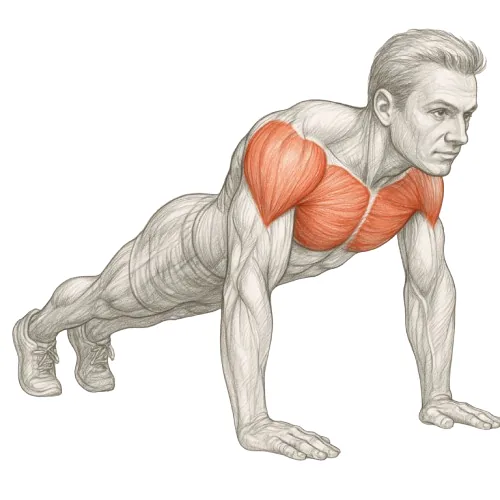
  • Chest ( 2–3 exercises )
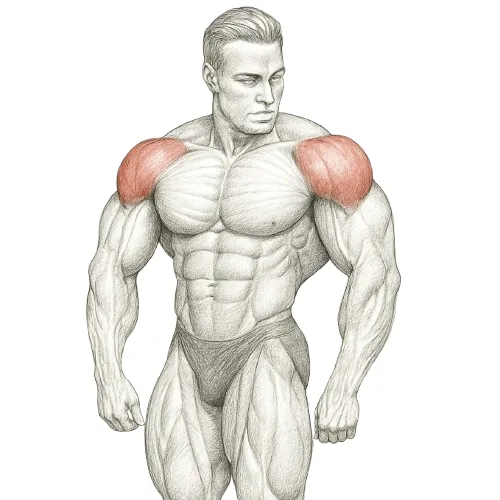
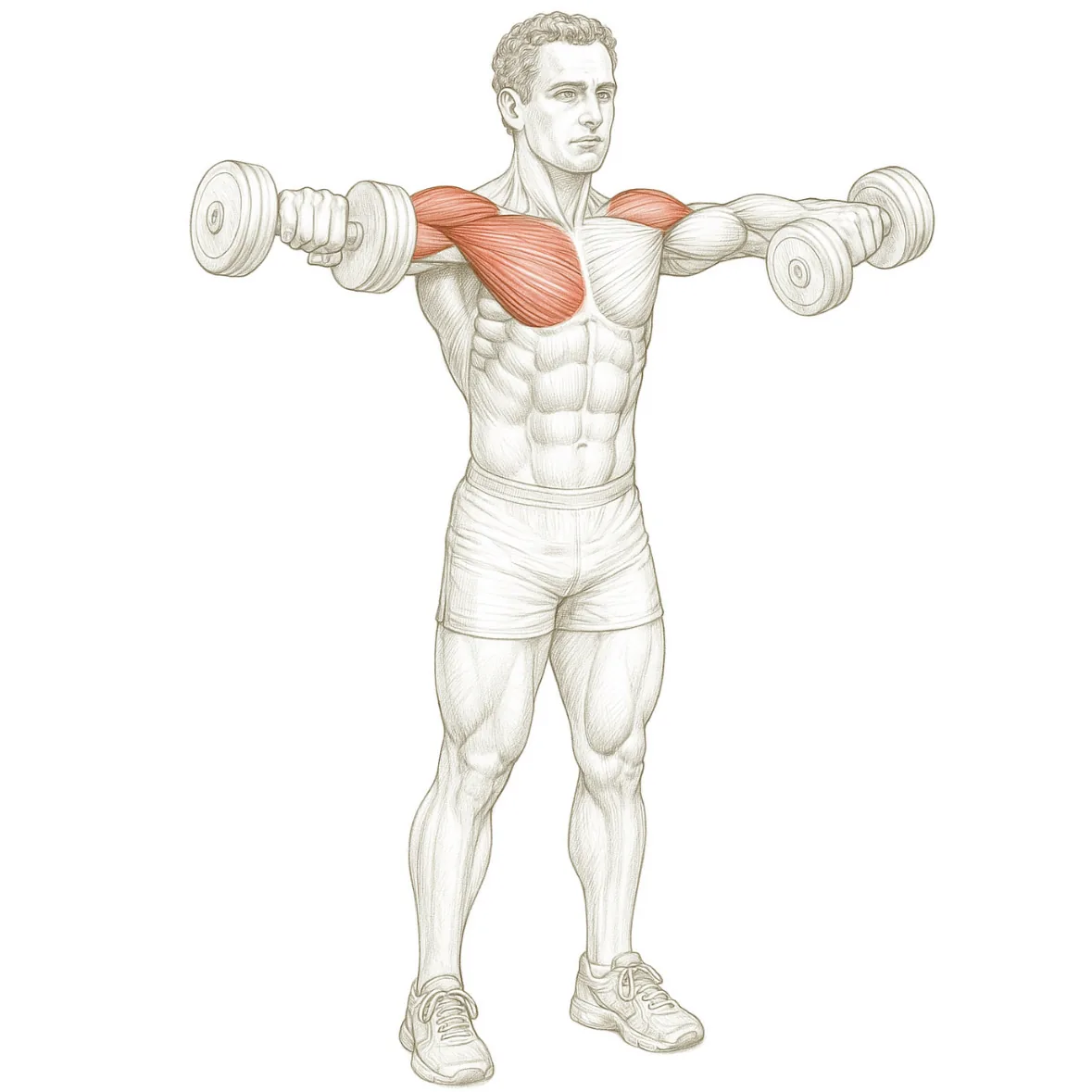
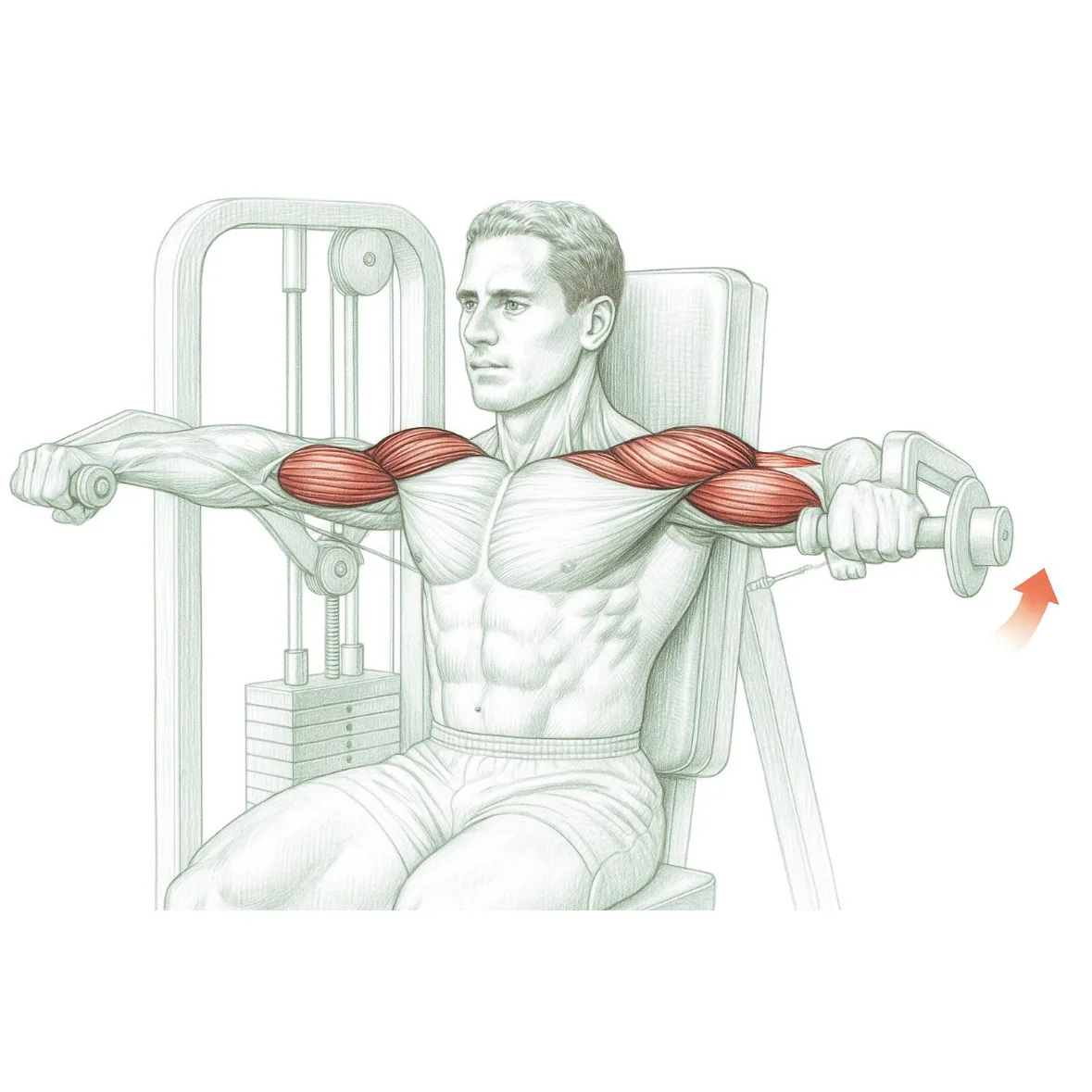
  • Front Shoulder ( 1 )
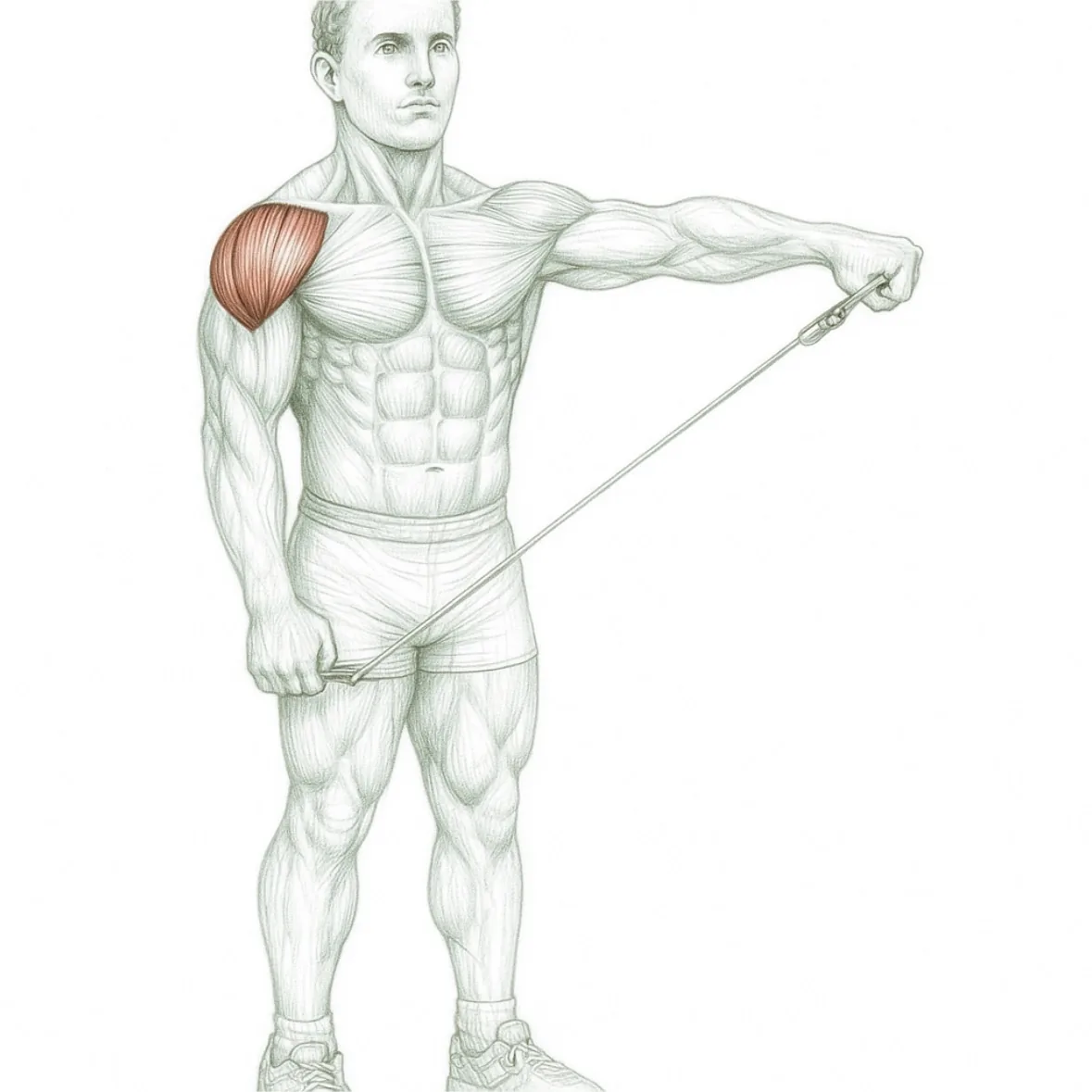
  • Side Shoulder ( 1 )
  • Triceps ( 2 )

💤Rest Day

Growth occurs during recovery.

Day 2

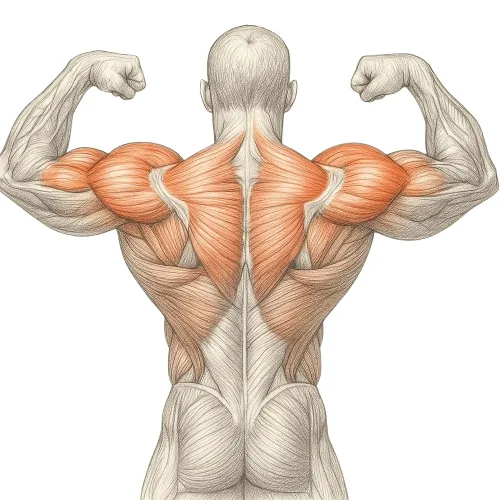
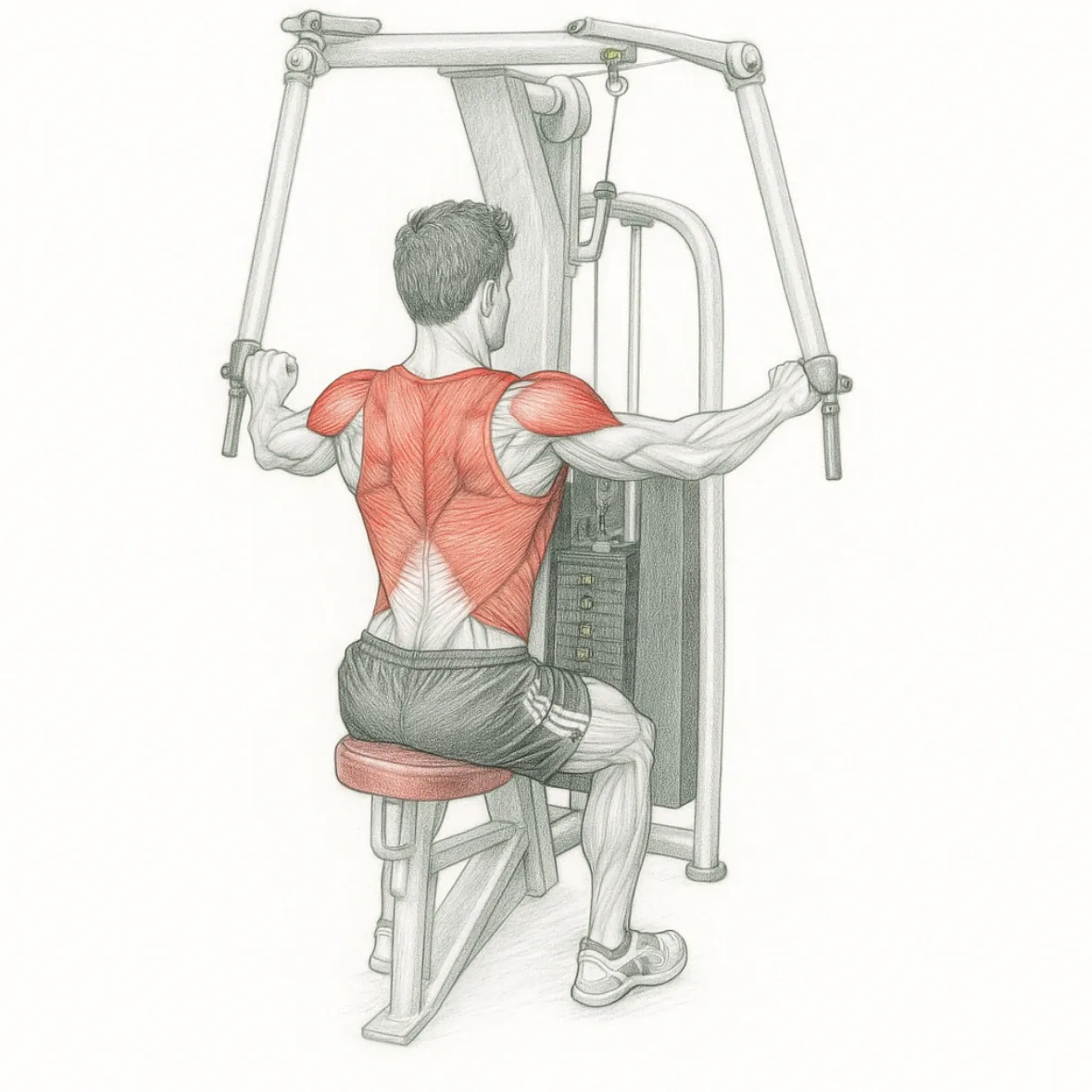
  • Back ( 3 )
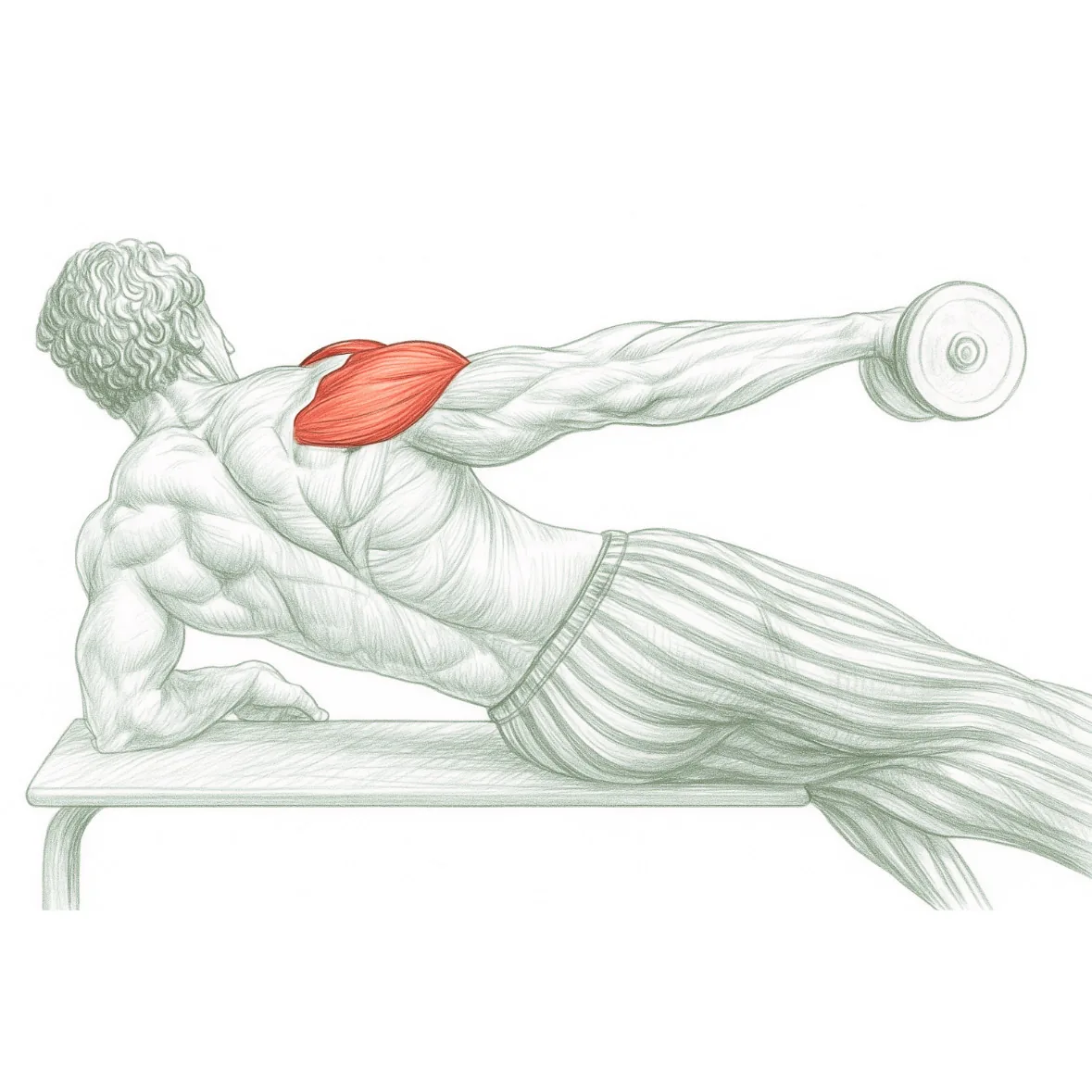
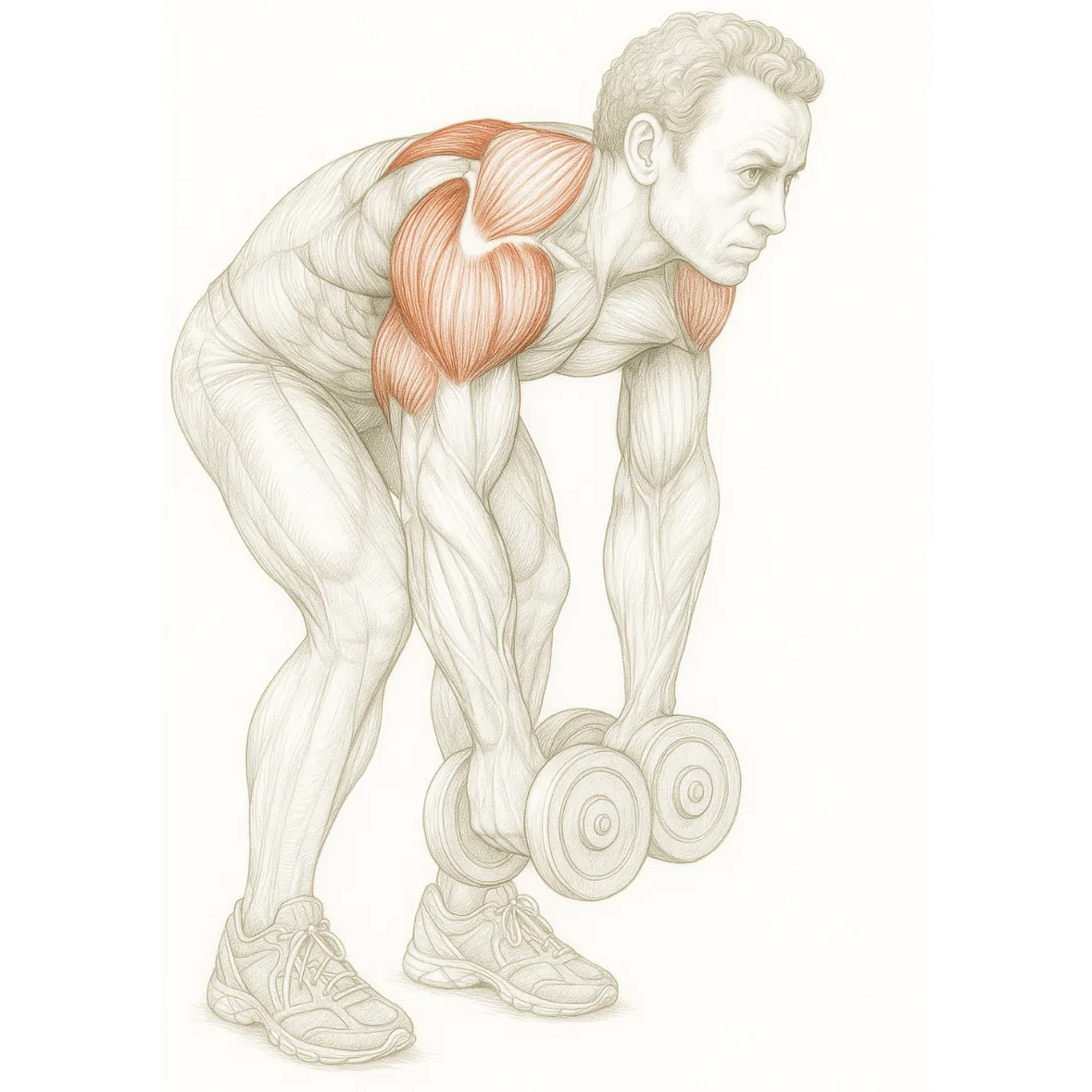
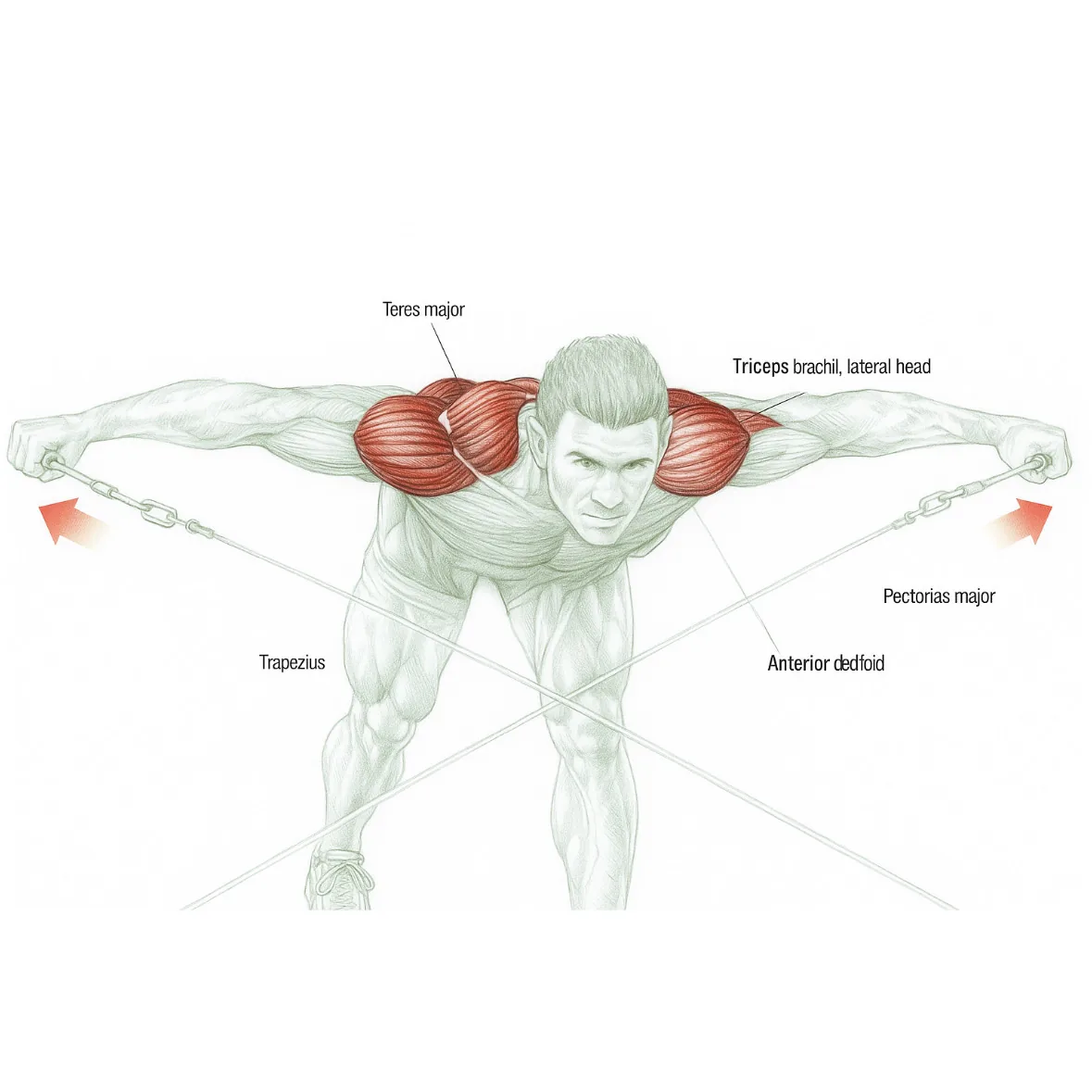
  • Rear Delts ( 1 )
  • Biceps ( 2 )

💤Rest Day

Growth occurs during recovery.

Day 3

  • Legs ( 3 )
  • Calves ( 1–2 )

💤two days rest

Growth occurs during recovery.

4 Days / Week — Upper/Lower

Balanced volume with recovery windows.

Day 1

  • Chest (2–3)
  • Triceps (2)

💤Rest Day

Growth occurs during recovery.

Day 2

  • Back (3–4)
  • Biceps (2)

💤Rest Day

Growth occurs during recovery.

Day 3

  • Shoulders (3–4)

💤Rest Day

Growth occurs during recovery.

Day 4

  • Legs (3–4)
  • Calves (1–2)

5 Days / Week — Shoulder/Legs/Back/Legs/Chest

Higher volume with two leg days and smart rest spacing.

Day 1

  • Front Shoulders (2)
  • Side Shoulders (2)
  • Rear Delts (2)
  • Triceps (2)
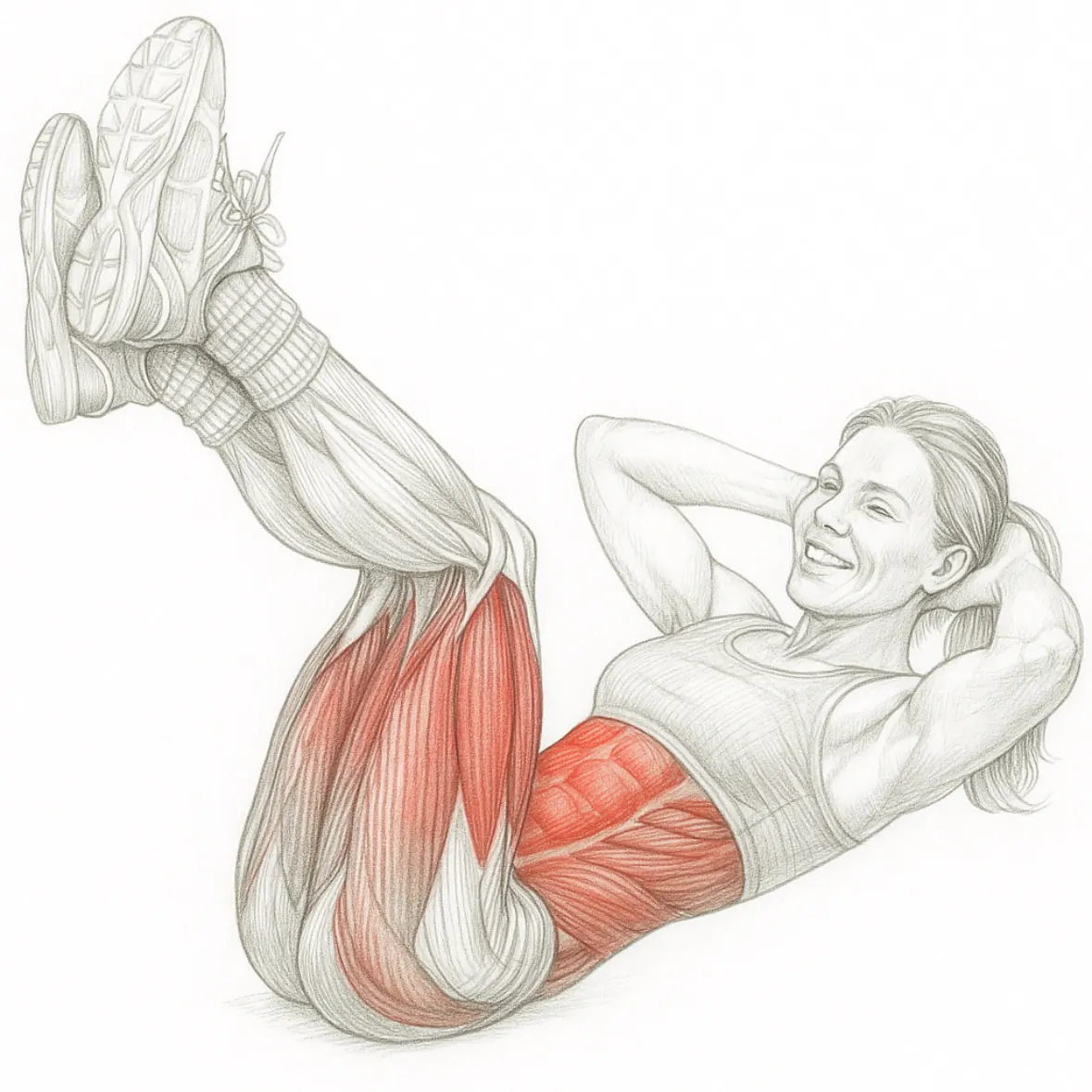
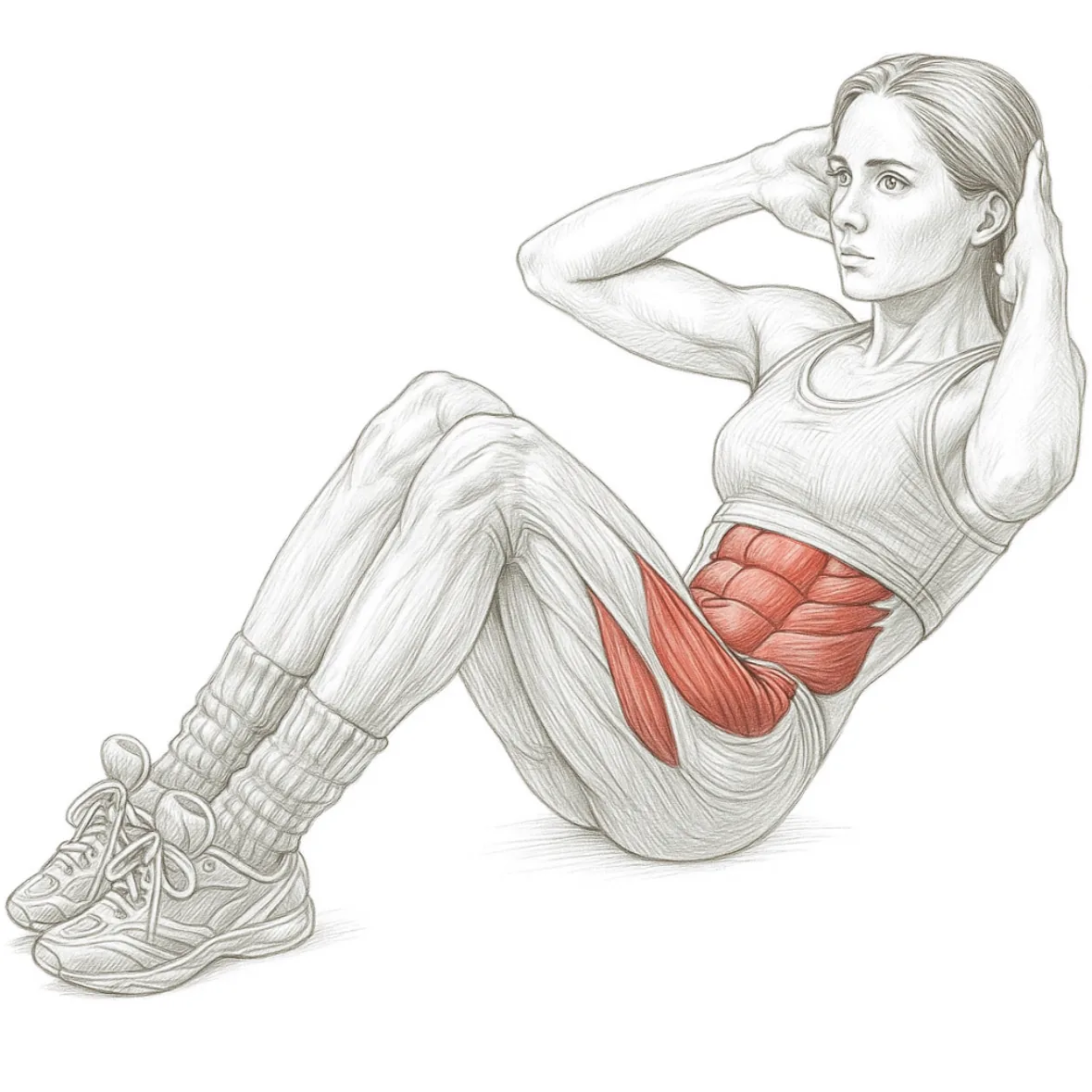
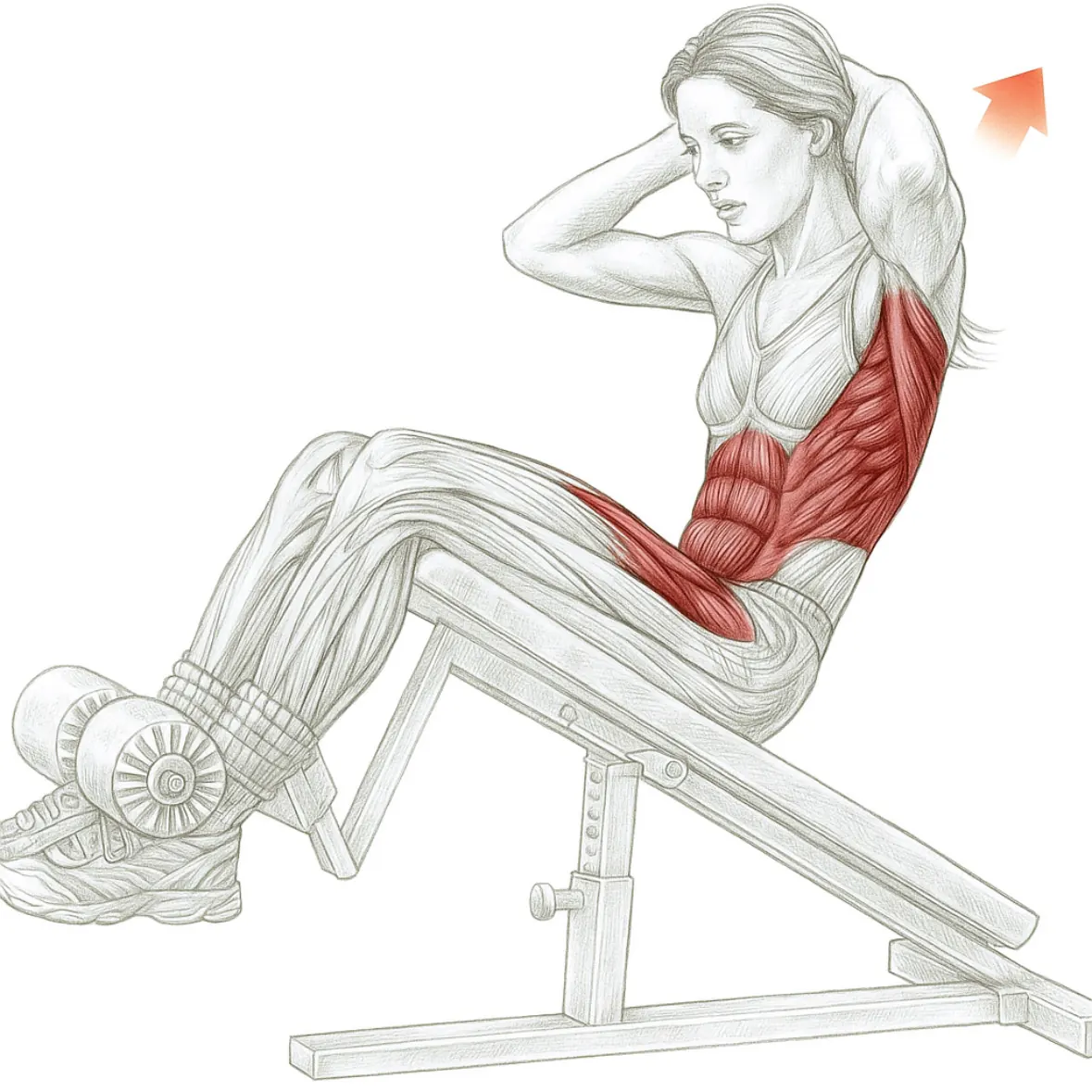
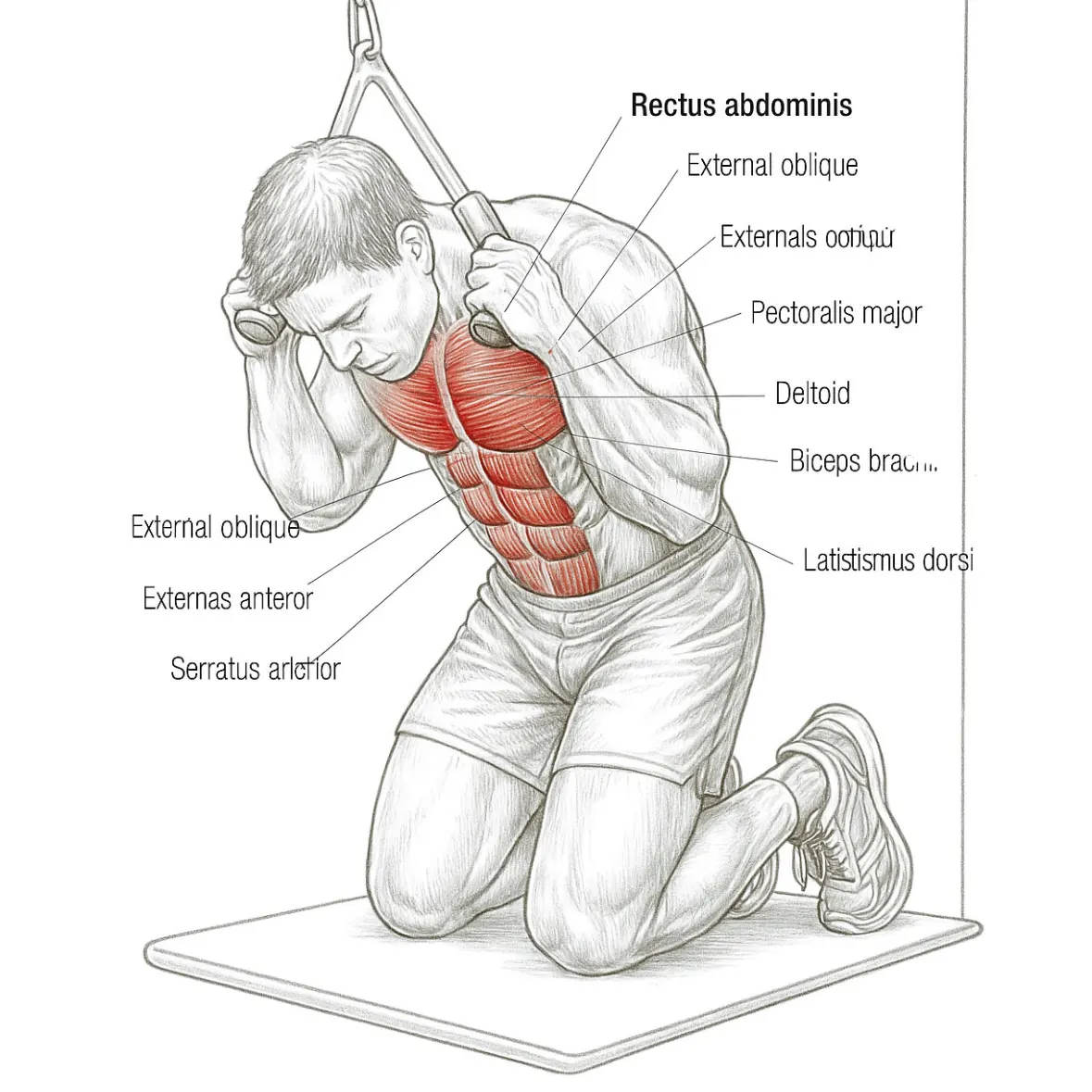
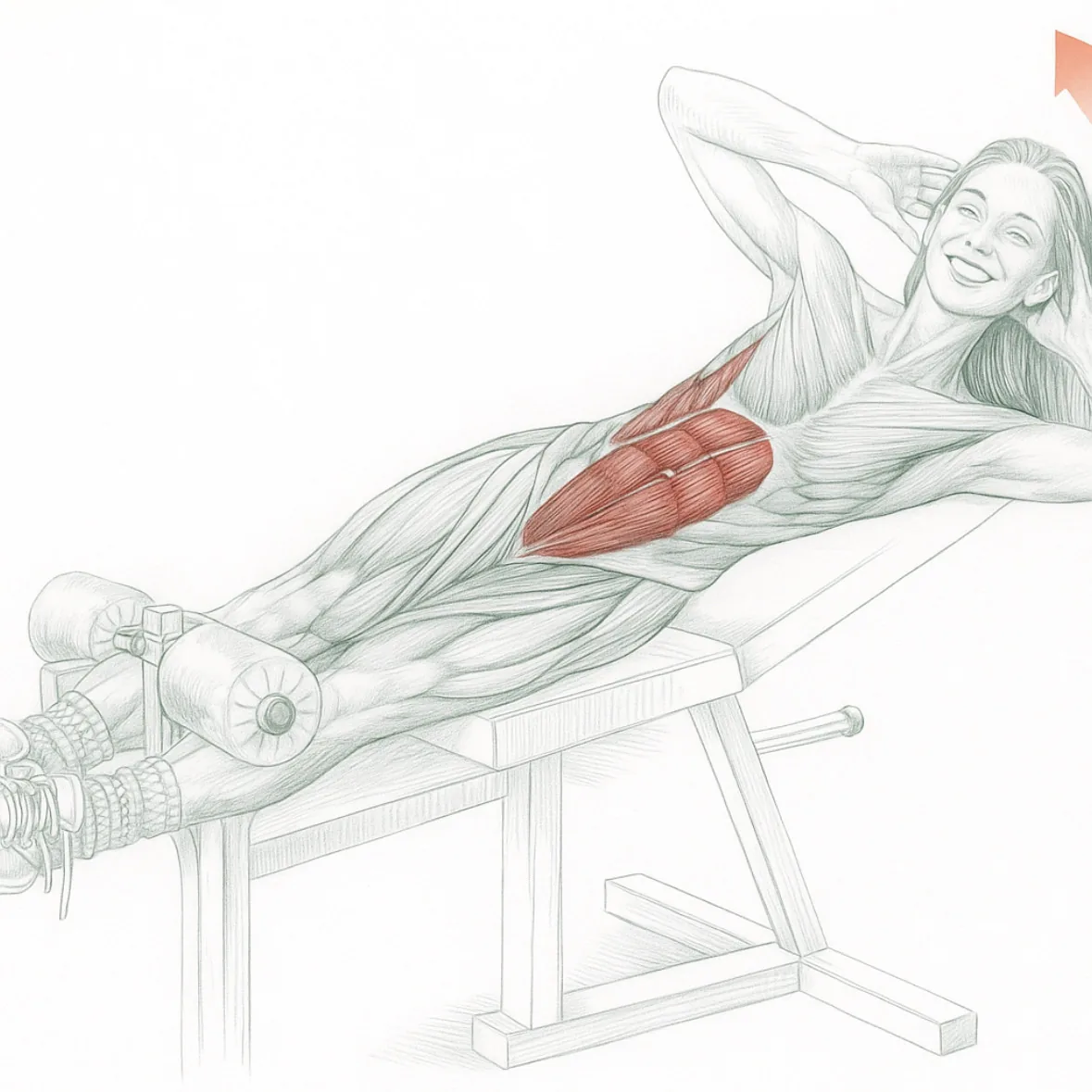
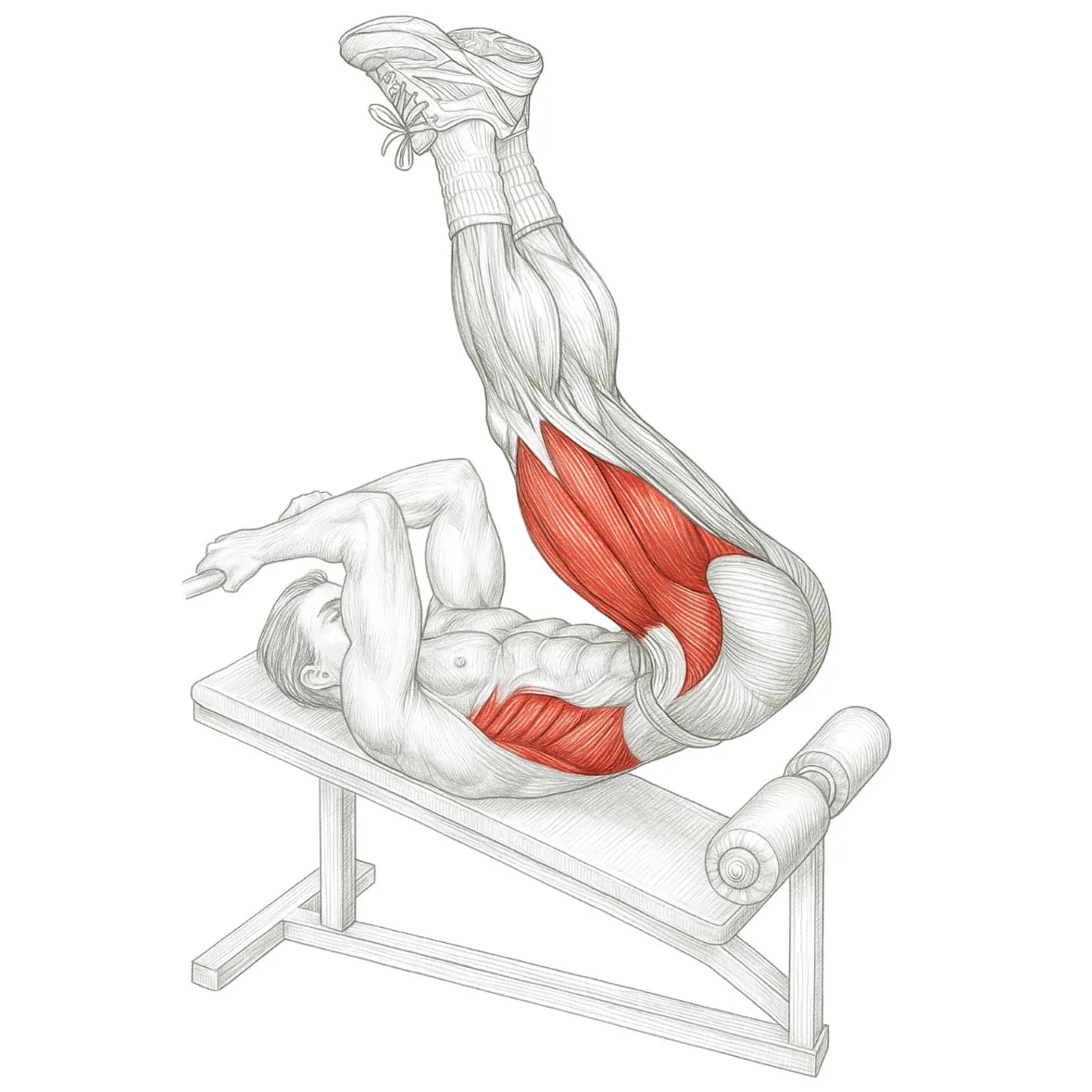
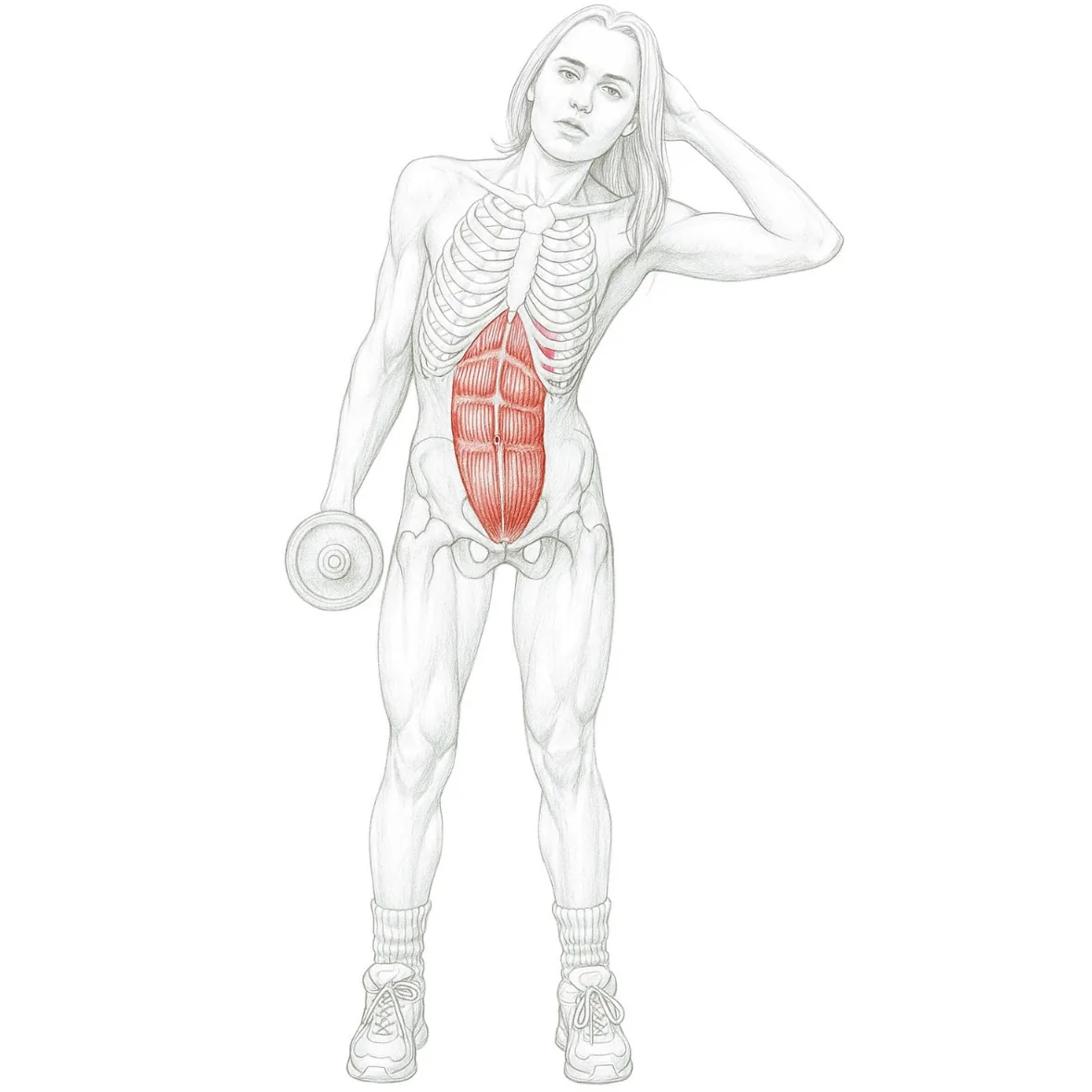
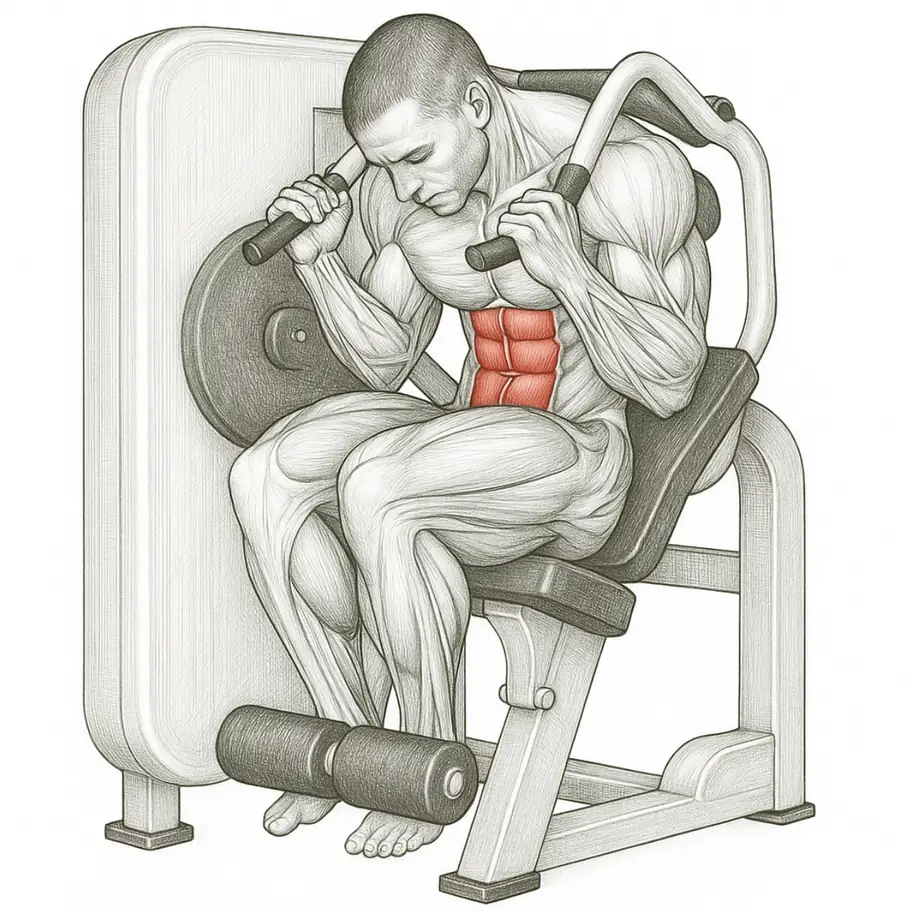
  • Abs

Day 2

  • Quads (3–4)
  • Calves (2)

💤 Rest Day

Growth occurs during recovery.

Day 4

  • Back (3)
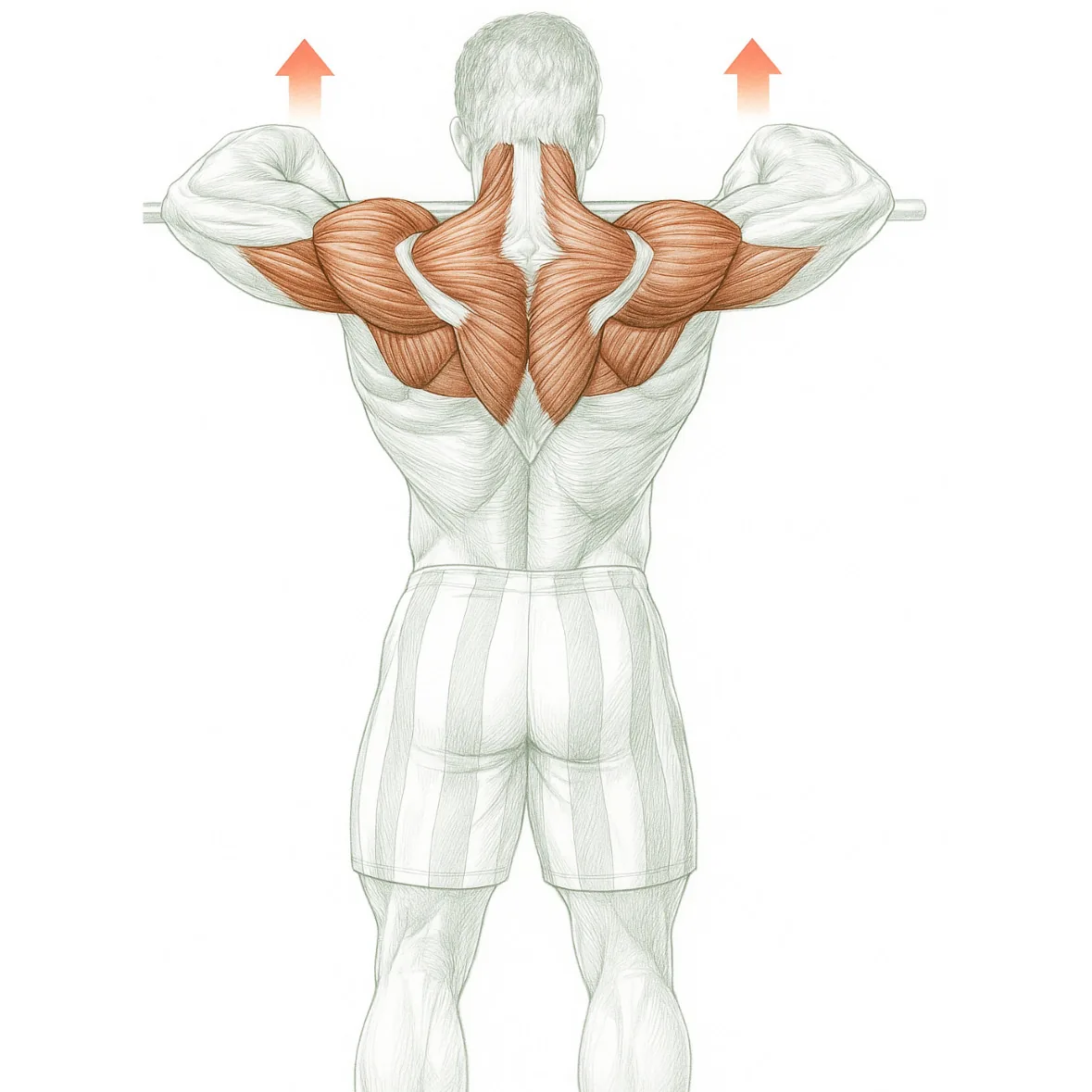
  • Traps (1–2)
  • Abs

Day 5

  • Hamstrings (2)
  • Calves (2)

Day 6

  • Chest (3–4)
  • Biceps (2)

💤 Rest Day

Growth occurs during recovery.

⚠️ 6 Days / Week — Advanced Training Program ⚠️

Training six days a week might seem like the fastest way to grow, but it often backfires. Your muscles grow during rest and recovery, not in the gym. Pushing hard six days in a row can overload your joints, tendons, and nervous system, leading to fatigue, stalled progress, or even injury.

Most lifters actually see better results with 3–5 sessions per week, where each muscle group gets enough work and recovery. Unless you’re advanced with excellent sleep, nutrition, and stress management, a 6-day split is more likely to burn you out than build you up. Train smarter, not harder.

  • Recovery first: muscles, tendons, and CNS need time to adapt.
  • Injury risk: connective tissues lag behind stronger muscles.
  • Sustainability: consistency beats maximal frequency.

Personalize Your Training

Your results depend on training history, recovery, nutrition, preferences, and consistency—not a fixed body-type label. The traditional somatotype terms below are included only as familiar starting scenarios, not diagnoses. Adjust volume, rest, and calorie intake using your actual progress over several weeks.

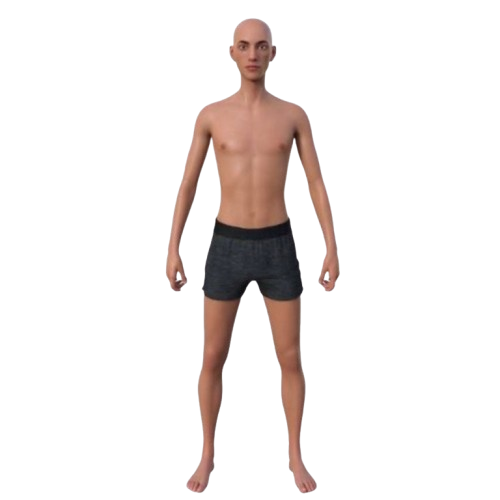
Ectomorph

Ectomorph Training

If you struggle to gain weight: use a modest calorie surplus, repeatable sessions, and enough rest to progress your lifts.

Ectomorph training plan — tips for gaining weight and muscle mass
  1. Stick to basic compound exercises and plenty of power moves for maximum mass.
  2. Complete the Basic Training workout; take longer rests when needed.
  3. Eat in a calorie surplus; add weight-gain/protein shakes if helpful.
  4. Keep extra activities (running, swimming, sports) to a minimum to save energy for growth.
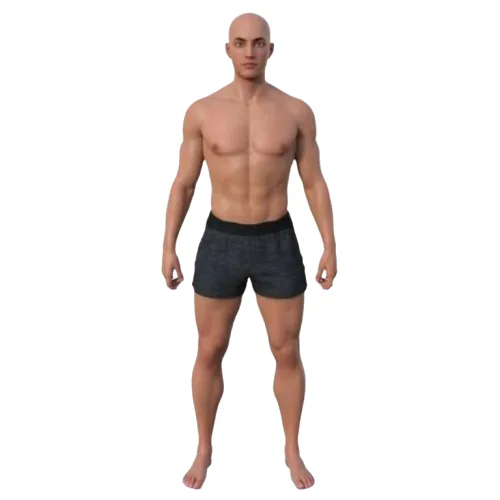
Mesomorph

Mesomorph Training

If you recover and progress readily: keep building gradually while balancing movement patterns, technique, and fatigue.

Mesomorph body type workout — training for muscle balance and symmetry
  1. Blend heavy compounds with a variety of shaping moves for balanced development.
  2. Use longer sessions with short rests; you don’t need marathon workouts.
  3. Eat a balanced, protein-forward diet and stay within ~10–15 lb of your lean goal year-round.
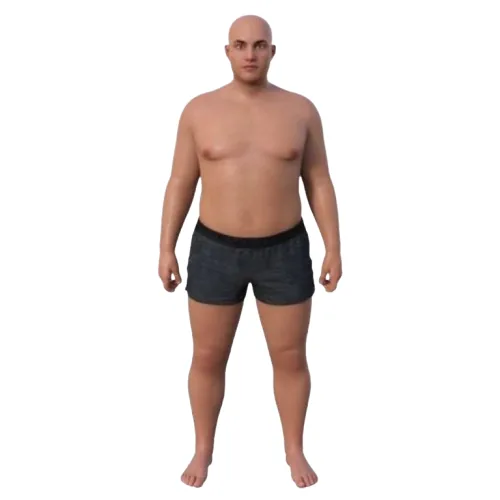
Endomorph

Endomorph Training

If fat loss is your priority: preserve strength with resistance training and create a sustainable calorie deficit through diet and activity.

Endomorph workout plan — fat loss and muscle preservation training
  1. Higher sets/reps with short rests to drive calorie burn.
  2. Add steady cardio (bike, jog, incline walk) for extra expenditure.
  3. Use a controlled-calorie plan with enough protein, carbs, and fats; add a simple vitamin/mineral stack to cover bases.

A Balanced Diet for Muscle Growth and Bodybuilding

Strength and muscle growth are based on proper nutrition. To build lean muscle, decrease body fat, and speed up recovery, learn how to balance your intake of protein, carbohydrates, and fats. Click below for a comprehensive guide.

Explore Nutrition Tips for Muscle Growth
Healthy bodybuilding foods and diet tips for muscle gain

The Basic Nutrients

There are certain basic nutrients which are necessary for the body to achieve maximum growth and energy production. They are:

🍗

Protein

Used by the body to build, repair, and maintain muscle tissue.

🍞

Carbohydrates

They are the easiest form of food for the body to convert into energy.

🥑

Fats

They provide the major source of stored energy.
They serve to cushion and protect the major organs.
They act as an insulator, preserving body heat and protecting against excessive cold.

🍊

Vitamins

They are organic substances that the body needs in minute amounts and that we ingest with our foods.
they act as catalysts, substances that help to trigger other reactions in the body.

🧂

Minerals

They play in the body a part in a variety of metabolic processes, and contribute to the synthesis of such elements as glycogen, protein, and fats.

💧

Water

It acts as a means of transportation for the various chemicals in the system and the medium in which the various biochemical reactions among the basic nutrients take place.

Frequently Asked Questions

Fast answers regarding diet, recuperation, and bodybuilding training.

How many days a week should I train for muscle growth?

Three to five days a week is how most lifters build well. Beginners: begin with courses that last three to four days. If recovery, sleep, and nutrition are all in order, advanced athletes can use 5- to 6-day splits.

How long should a workout last?

45 to 75 minutes is the goal. Prioritize compound lifts, progressive overload, and 6–20 total working sets. Marathon sessions are inferior to quality.

How much protein do I need per day?

1.6–2.2 g/kg of body weight per day, distributed over 3–5 meals, is a realistic goal. View the basics of nutrition.

What should I eat before and after workouts?

Easy carbs and 20–30 g of protein should be consumed 60–120 minutes prior to training. After working out, consume 20–40 g of protein and carbohydrates in about two hours. Examine high-protein recipes and what to eat when.

Can I build muscle and lose fat at the same time?

Yes, particularly for newcomers or after a vacation. Use a lot of protein, lift weights gradually, and maintain a small calorie deficit. Sleep and consistency are essential.

Do I need supplements for bodybuilding?

Not necessary. Give whole foods priority. Evidence-based choices include omega-3s, creatine monohydrate (3–5 g/day), and whey protein for convenience. View the minerals and vitamins.

📬 Get in Touch

Have questions, suggestions, or just want to say hello? Reach out — we’d love to hear from you and grow the FitnessGuide community together.